AI Meal Planner vs Manual Meal Planning: An Honest Comparison for Busy Families
Manual meal planning has worked for generations of families. AI meal planning is newer, faster, and increasingly capable. But which one is actually better for your family? This is an honest, side-by-side comparison — no hype, no overselling.
The Case for Manual Meal Planning
Manual meal planning has real advantages. You are in complete control. You know exactly what you are choosing and why. You can factor in things that no algorithm can easily capture: the fact that your partner is coming home late on Tuesday, that you have leftover chicken from Sunday, or that your child has a school trip on Friday and will not be home for dinner.
Manual planning also tends to produce more creative variety if you are a confident cook. You are not constrained by a recipe database — you can improvise, combine cuisines, and experiment in ways that a system trained on structured recipes might not suggest.
The Case for AI Meal Planning
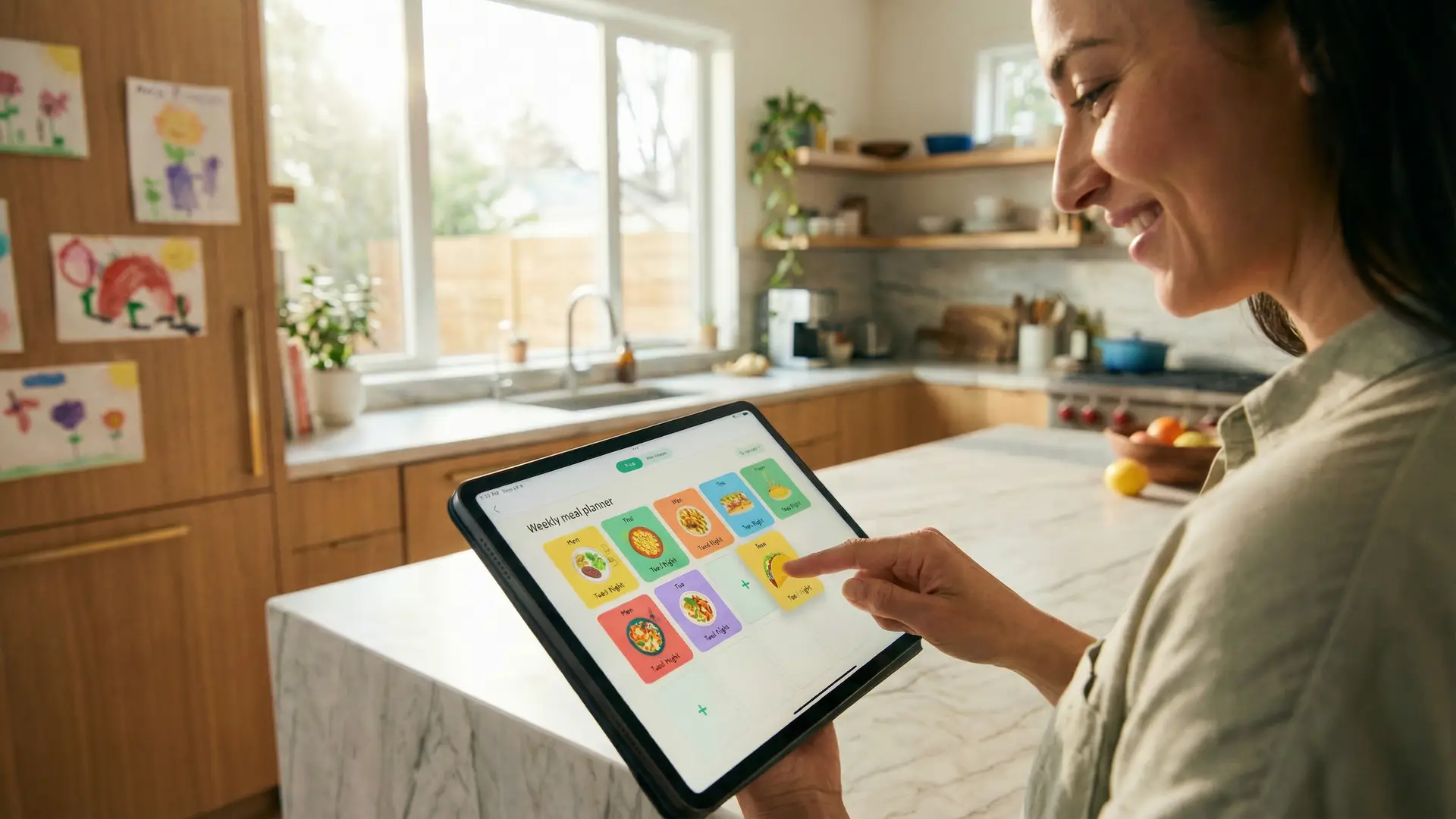
The primary advantage of AI meal planning is time. Research on household labour consistently finds that meal planning and grocery shopping consume between three and five hours per week for the average family. An AI meal planner reduces the planning component of that to under two minutes.
The second advantage is consistency. Manual planners tend to fall back on the same ten to fifteen meals repeatedly — not because they do not know other recipes, but because decision fatigue makes novelty feel like too much effort. An AI system has no such fatigue. It will suggest a Thai green curry on a Tuesday just as readily as it suggests pasta.
The third advantage is nutritional awareness. Very few families manually track whether their weekly meal plan is nutritionally balanced. An AI meal planner does this automatically, ensuring that the week as a whole provides adequate protein, fibre, and micronutrients without any conscious effort.
Head-to-Head Comparison
| Factor | AI Meal Planner | Manual Planning |
|---|---|---|
| Time to plan a week | < 2 minutes | 45–90 minutes |
| Nutritional balance | Automatic | Manual (rarely done) |
| Variety | High (large recipe database) | Depends on cook |
| Personalisation | Improves over time | Immediate but static |
| Flexibility | Swap with one tap | Requires replanning |
| Grocery list | Auto-generated | Written manually |
| Cost | Subscription (< coffee/week) | Free |
| Creative control | Limited | Full |
The Honest Verdict
For families who cook four or more nights per week and feel the weekly planning burden, an AI meal planner wins on almost every practical dimension. The time savings alone justify the switch. The nutritional awareness and automatic grocery list are genuine quality-of-life improvements.
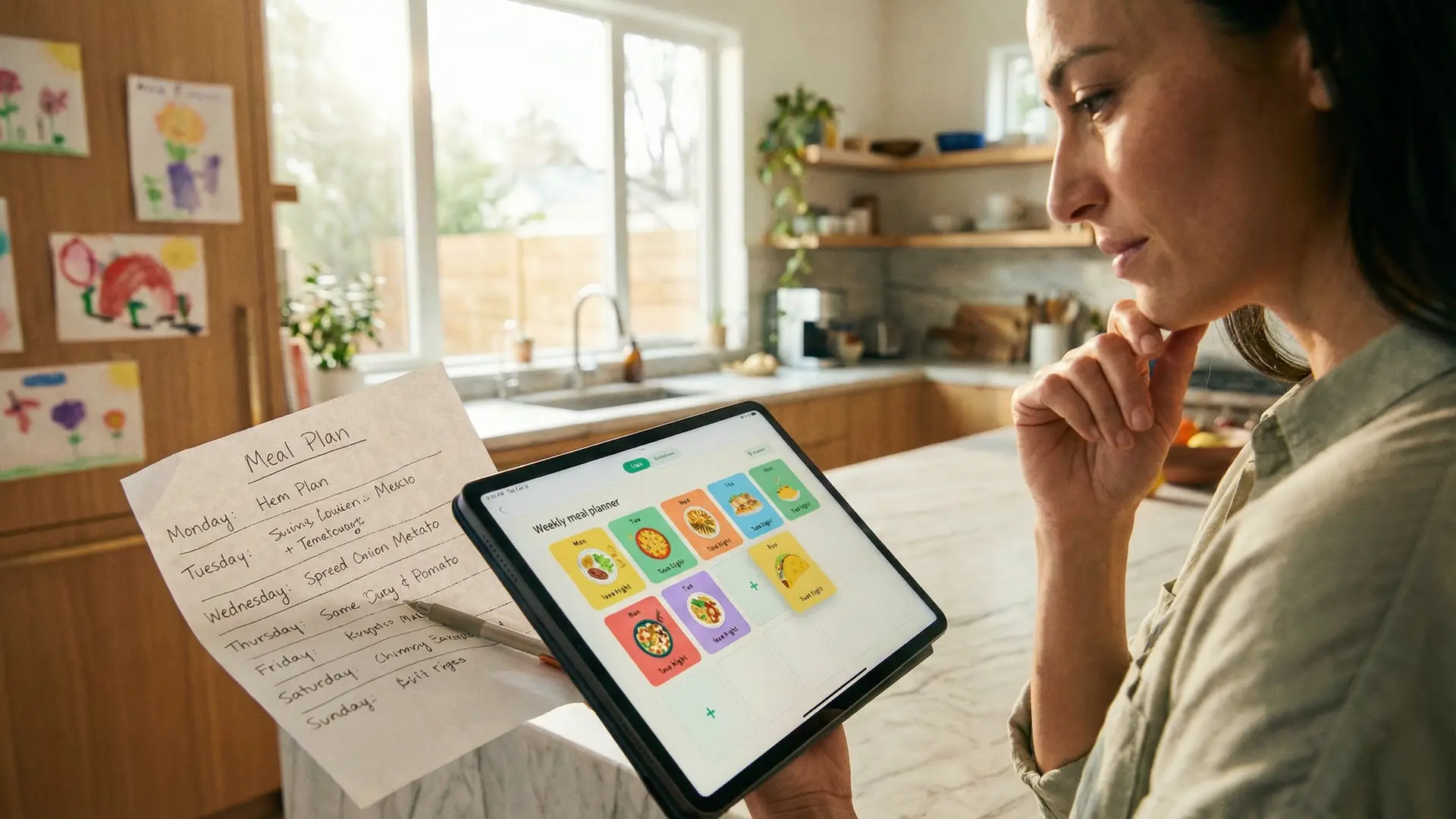
For families with highly specific culinary preferences, a professional cook in the household, or very unusual dietary requirements, manual planning may remain preferable — or a hybrid approach may work best: use the AI for the structure, then override individual meals with your own choices.
The good news is that the best AI meal planners, including FamilyPlate, are designed for exactly this hybrid use. The AI generates the plan; you adjust it to fit your life. Over time, the adjustments become less frequent as the system learns your preferences.
Try AI meal planning for your family
FamilyPlate generates a personalised weekly plan in seconds. No credit card required.
Get Started Free →