
The Dinner Table Battleground
For parents of picky eaters, 6:00 PM is often the most stressful hour of the day. The kitchen table transforms into a high-stakes negotiating room, filled with pleading, bargaining, and tears. However, pressure-based feeding tactics (like "finish your plate" or "two more bites of broccoli") almost always backfire, creating long-term anxiety around food and reinforcing fussy behaviors.
According to research published by the National Institutes of Health (NIH) / Appetite (DeJesus et al., 2019), repeated exposure and positive reinforcement—entirely free of pressure—are the most effective tools to increase children's acceptance of new foods. To de-escalate the dinner table, we must shift our focus from control to curiosity, using positive reinforcement to make food exploration a low-stakes game.
Why Pressure Fails and Reinforcement Wins
When children are pressured to eat, their bodies produce cortisol, the stress hormone. Cortisol actively suppresses appetite and shuts down digestion, making the act of eating physically uncomfortable. By contrast, positive reinforcement triggers dopamine, the reward chemical, which is linked to learning, memory, and a willingness to explore.
When we reward curiosity rather than consumption, we change the emotional context of the meal. A child who is praised for simply touching a new vegetable with their tongue is far more likely to eventually chew and swallow it than a child who is threatened with the loss of dessert.
5 Behavioral Hacks to Try Tonight
These five simple positive reinforcement techniques are designed to turn dinner from a power struggle into a positive, shared family experience:
| Hack | How It Works | Positive Script |
|---|---|---|
| 1. Reward the "Lick" | Exploration has levels. Praise the child for smelling, touching, or licking a new food, even if they spit it out. | "I love how brave you were to touch that cucumber with your tongue!" |
| 2. The "No-Thank-You" Bowl | Provide a small, dedicated bowl where the child can place unwanted food, giving them control over their plate. | "If you try it and don't like it, you can put it in your special bowl." |
| 3. Peer Modeling | Praise siblings or parents for eating their veggies, creating a natural desire to imitate. | "Look how crunchy Daddy's carrots are! He loves that crunch." |
| 4. Food Exploration Chart | Use a sticker chart to track new foods explored. Let the child place a sticker for every brave try. | "You explored yellow peppers tonight! Go put a sticker on your chart!" |
| 5. The Division of Responsibility | You decide *what* and *when* to serve; the child decides *whether* and *how much* to eat. | "Here is dinner. You decide which parts your tummy needs tonight." |
The Power of Child Involvement
Positive reinforcement starts long before dinner is served. When children have a hand in selecting the menu, their investment in the meal skyrockets. A study in Appetite (van der Horst et al., 2014) concludes that children are significantly more likely to eat foods they had a role in choosing or preparing.
By giving children a structured, limited voice in the meal planning process, you bypass their defensive "no" reflex. Instead of asking "do you want zucchini?", you ask "should we plan for zucchini or broccoli on Tuesday?" This simple shift respects their autonomy while keeping the nutritional boundaries firmly in place.
How FamilyPlate Makes Meal Voting Fun
This collaborative approach is the exact foundation of FamilyPlate's meal decision system.
Instead of parents dictating the weekly menu, FamilyPlate sends a curated selection of easy family meals to your family's dashboard. Every family member—including the kids—gets to vote on their favorites.
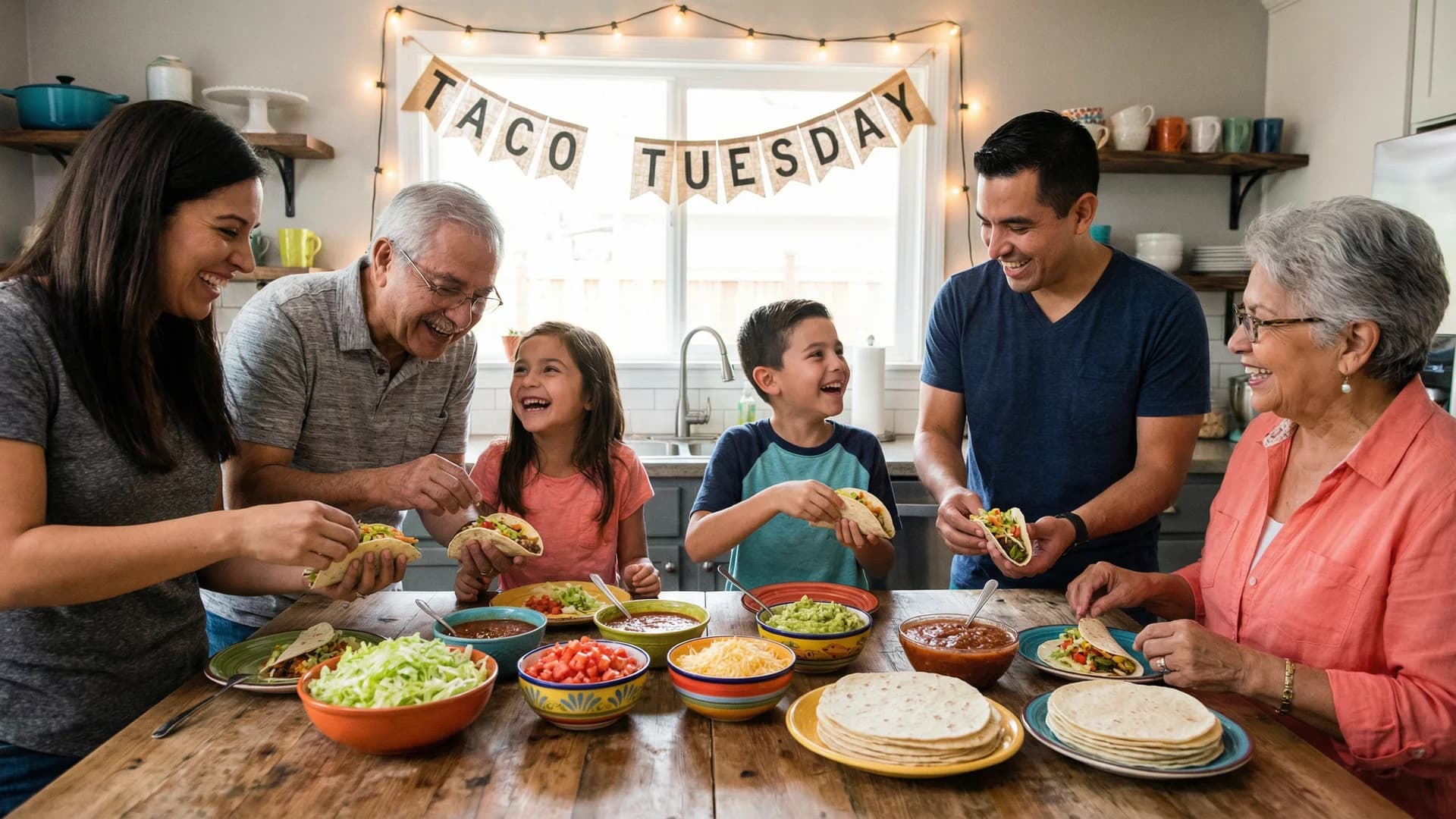
This gamified voting process acts as a massive positive reinforcement trigger. When a picky eater sees that the "Taco Night" they voted for is on the calendar, they sit down at the table with a sense of pride and ownership, making them far more willing to explore and enjoy the meal.