The Cost of the Crisper Drawer "Graveyard"
We have all been there: we buy a beautiful head of lettuce, a bundle of fresh cilantro, and three avocados with the best of intentions. But by Friday, that lettuce has turned to liquid, the cilantro is black, and the avocados are rock hard or completely brown. This is not just frustrating—it is incredibly expensive.
According to data from the U.S. Environmental Protection Agency (EPA), an average family of four wastes approximately $2,913 in food annually. Furthermore, the U.S. Department of Agriculture (USDA) estimates that 30–40% of the entire food supply in the United States is thrown away. The majority of this waste happens at the consumer level, driven by unorganized grocery shopping and over-purchasing.
What is the "One-Bag" Rule?
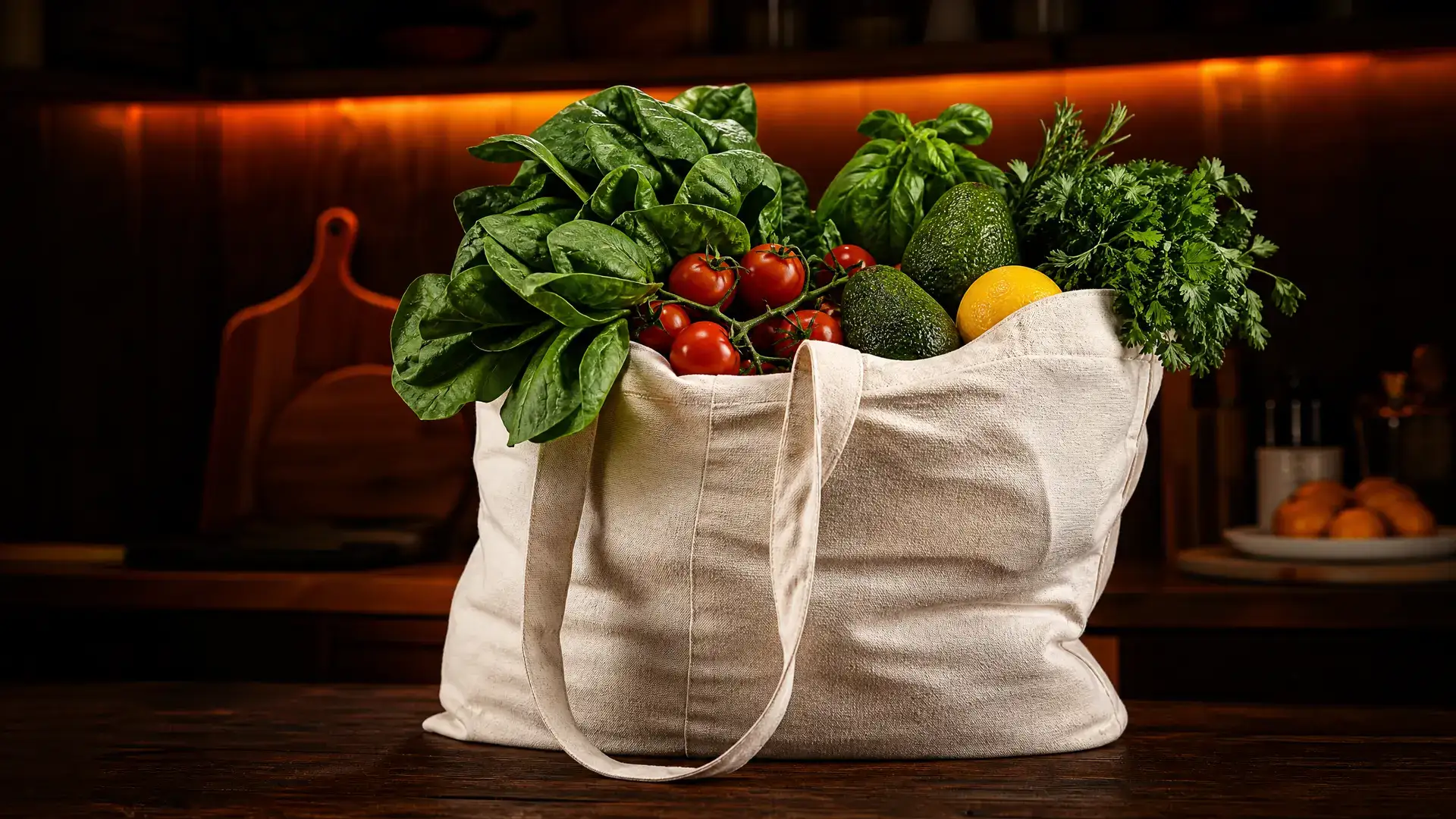
The "One-Bag" Rule is a simple, visual constraint system for your weekly grocery shopping. It dictates that your weekly purchase of highly perishable, fresh ingredients (like fresh leafy greens, berries, herbs, and soft vegetables) must fit entirely into a single reusable shopping bag.
Everything else you buy—proteins, grains, frozen vegetables, and pantry staples—has a long shelf-life and can be stocked in bulk. By limiting your fresh, perishable purchases to what fits in "One Bag," you establish a natural physical boundary that prevents over-purchasing and ensures you only buy what your family will actually eat before it spoils.
| Category | "One-Bag" Perishables (Strict Limit) | Bulk/Long-Shelf Staples (No Limit) |
|---|---|---|
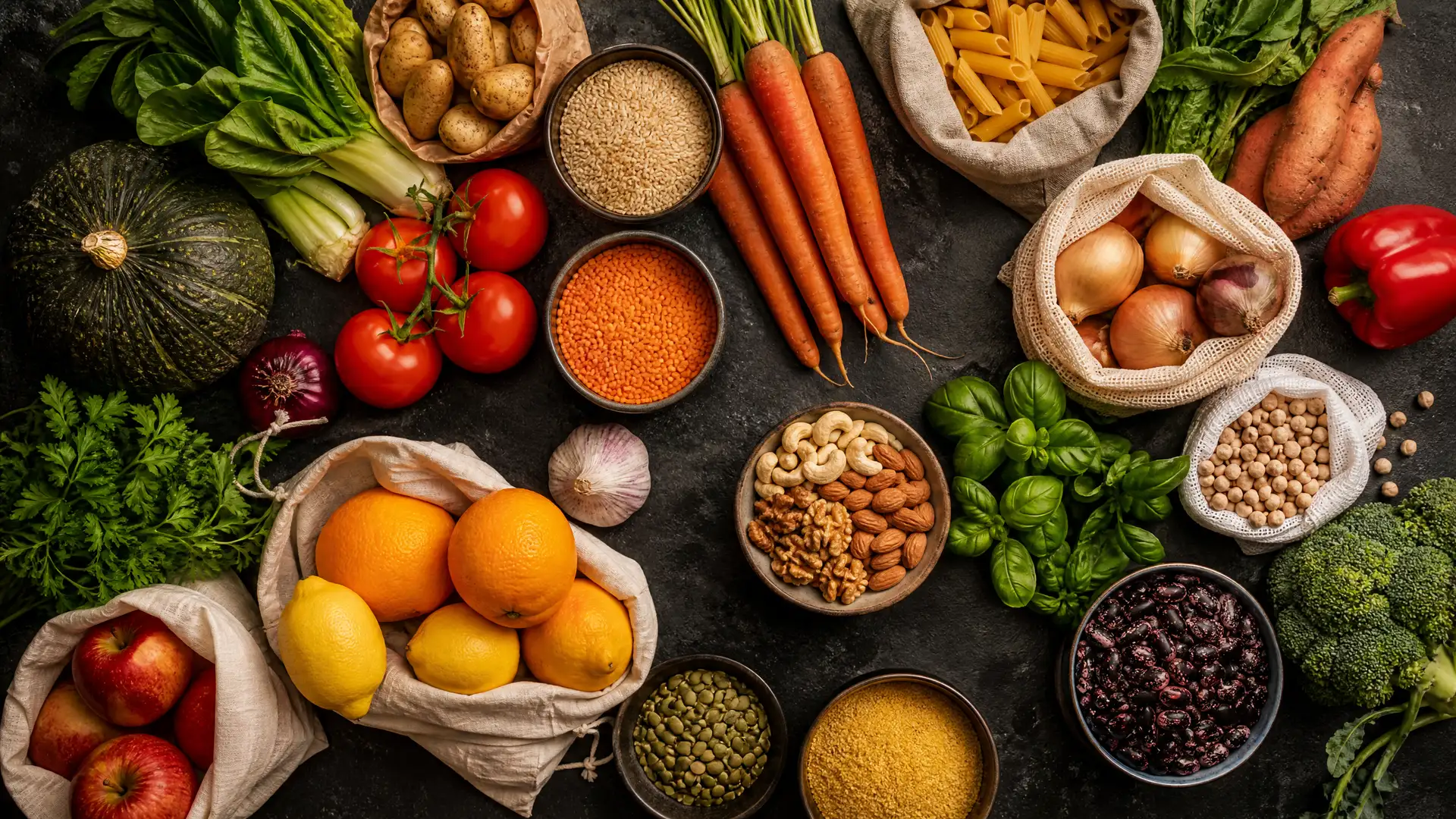
| Produce | Spinach, berries, fresh herbs, avocados, asparagus, mushrooms | Potatoes, onions, carrots, apples, frozen broccoli florets |
| Proteins | Fresh fish, raw chicken breasts (to cook within 48 hours) | Frozen shrimp, canned beans, tofu, vacuum-sealed meats |
| Dairy/Pantry | Fresh milk, soft cheeses (mozzarella, ricotta) | Hard cheeses (parmesan), Greek yogurt, eggs, olive oil |
How to Implement the System Tonight
Transitioning to the "One-Bag" system is simple when you break it down into three actionable habits:
- Audit Before You Shop: Before leaving for the store, take 60 seconds to look in your fridge. Move any expiring items to the top shelf and plan to use them in your very first meal.
- Separate Your List: Divide your shopping list into "Fresh" (the perishables that must fit in your one bag) and "Staples" (long-lasting items).
- Pack the Perishables First: At checkout, pack all your fresh items into your designated reusable bag first. If they don't fit, you have over-purchased. Put the excess back.
Why Structured Meal Planning is the Ultimate Solution
The "One-Bag" Rule works beautifully, but it is only as good as the meal plan supporting it. If you don't know exactly how you are going to use that single bag of fresh spinach, it will still end up rotting in your crisper.
According to a comprehensive study published in the International Journal of Behavioral Nutrition and Physical Activity (Ducrot et al., 2017), structured meal planning is significantly associated with healthier diets, lower rates of obesity, and far more efficient food utilization.
When you use FamilyPlate's weekly meal planner, the system automatically coordinates your meals to share fresh ingredients. If a recipe on Tuesday calls for half a bunch of cilantro, Wednesday's recipe will automatically utilize the remaining half.
This intelligent cross-utilization is reflected in FamilyPlate's automatic grocery list, which groups your items by store aisle and highlights perishables, making it incredibly easy to shop the "One-Bag" Rule, save thousands of dollars, and completely eliminate food waste.