Korean Meal Plan
for Families
Kid-friendly Korean dinners — planned automatically for your family every week.
Create My Korean Meal Plan →Trusted by 12,000+ families · No credit card required
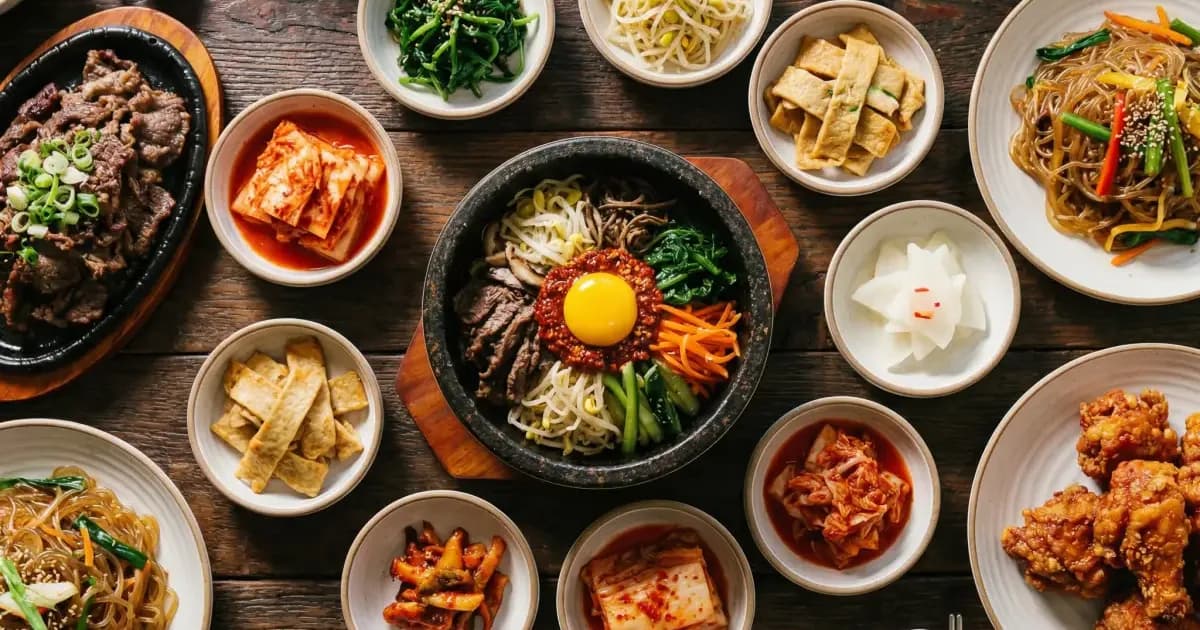
Korean cuisine has gained global popularity in recent years, celebrated for its bold flavors, vibrant colors, and impressive health benefits. For families, adopting a Korean meal plan means embracing a diet rich in fermented vegetables, lean proteins, whole grains, and an abundance of fresh produce. The cornerstone of Korean cooking is balance—balancing flavors (sweet, salty, spicy, sour, and umami), balancing colors, and balancing nutrition. Traditional Korean meals are built around rice, soup, and an array of side dishes called banchan, which often include kimchi, seasoned vegetables, and pickled items. This variety ensures that every meal is nutrient-dense and satisfying. Fermented foods, particularly kimchi, are a hallmark of Korean cuisine and offer significant digestive and immune-boosting benefits. The use of gochugaru (Korean red pepper flakes) and gochujang (fermented chili paste) adds depth and complexity to dishes while providing anti-inflammatory and metabolism-boosting properties. For busy parents, Korean cooking offers practical advantages: many dishes can be prepared in advance, and leftovers are easily repurposed into new meals. Bulgogi (marinated beef), bibimbap (mixed rice bowls), and japchae (glass noodle stir-fry) are family-friendly options that require minimal hands-on time and can be customized to suit individual tastes. Even traditionally spicy dishes can be adapted for children by reducing or omitting chili-based ingredients. Beyond nutrition, Korean meal planning encourages communal eating and shared experiences, as meals are often served family-style with multiple dishes at the center of the table. This approach fosters connection, conversation, and a sense of togetherness that can strengthen family bonds.
The Banchan Dilemma
The #1 reason families struggle with Korean food at home — and how FamilyPlate solves it.
The Problem
A traditional Korean meal involves many side dishes (banchan). Preparing multiple components for a single dinner is overwhelming for busy parents, even if the main dish is simple.
The FamilyPlate Solution
FamilyPlate's AI creates a personalised Korean-inspired meal plan for your family. We handle the recipes, the variety, and the grocery list. You just cook and enjoy.
Example Weekly Korean Meal Plan
A real week your family could be eating — balanced between quick weekday meals and relaxed weekend cooking.
This structure balances fast weekday cooking with more relaxed weekend meals — making meal planning sustainable for the whole family.
Benefits of Korean Meal Planning for Families
Probiotic Power from Kimchi & Fermented Foods
Kimchi, Korea's most famous dish, is a fermented vegetable side dish (usually made with napa cabbage) that is rich in probiotics, vitamins A and C, and antioxidants. Regular consumption of kimchi and other fermented foods like doenjang (fermented soybean paste) supports gut health, improves digestion, and strengthens the immune system. Probiotics help maintain a healthy balance of gut bacteria, which is essential for nutrient absorption and overall wellness. For families, introducing kimchi early can help children develop a taste for fermented foods and support their long-term digestive health.
Lean Proteins & Balanced Macros
Korean meals typically feature lean proteins such as beef, pork, chicken, tofu, and seafood, often marinated and grilled or stir-fried. These proteins are paired with rice and a variety of vegetable side dishes, creating a well-balanced meal that provides sustained energy and supports muscle growth and repair. The emphasis on portion control and variety ensures that families get a wide range of nutrients without overloading on any single food group. Dishes like bulgogi and galbi (short ribs) are flavorful yet lean, making them ideal for health-conscious families.
Anti-Inflammatory Spices & Ingredients
Korean cooking makes extensive use of garlic, ginger, gochugaru (red pepper flakes), and sesame oil, all of which have anti-inflammatory properties. Garlic and ginger support immune function and cardiovascular health, while gochugaru contains capsaicin, which has been shown to boost metabolism and reduce inflammation. Sesame oil is rich in healthy fats and antioxidants. These ingredients not only enhance flavor but also contribute to the overall health benefits of Korean cuisine, making it a smart choice for families looking to reduce inflammation and support long-term wellness.
High in Vegetables & Fiber
Korean meals are naturally vegetable-forward, with side dishes (banchan) featuring seasoned spinach, bean sprouts, zucchini, radish, and more. This abundance of vegetables ensures that families get plenty of fiber, vitamins, and minerals with every meal. Fiber supports digestive health, helps regulate blood sugar levels, and promotes satiety, reducing the likelihood of overeating. For children, being exposed to a wide variety of vegetables in different preparations can help them develop a more adventurous palate and a lifelong appreciation for healthy foods.
Encourages Mindful, Communal Eating
Korean dining culture emphasizes sharing and community, with meals typically served family-style and featuring multiple dishes at the center of the table. This approach encourages mindful eating, as diners take their time to sample different flavors and textures. For families, this style of eating fosters conversation, connection, and a sense of togetherness. It also allows children to serve themselves and make choices about what and how much they eat, promoting autonomy and a healthy relationship with food.
5 Tips for Korean Family Meal Planning
Start with Mild, Kid-Friendly Dishes
If your family is new to Korean cuisine, begin with dishes that are naturally mild or can be easily adapted for children. Bulgogi (marinated beef), japchae (glass noodle stir-fry), and Korean fried chicken (oven-baked) are all crowd-pleasers that don't rely on spicy ingredients. Bibimbap (mixed rice bowls) is another great option, as each family member can customize their bowl with their favorite toppings and sauces. As your family becomes more comfortable, gradually introduce bolder flavors like gochujang and kimchi.
Stock Up on Korean Pantry Staples
Korean cooking relies on a few key ingredients that can be used across a wide variety of dishes. Stock your pantry with soy sauce, sesame oil, gochugaru (red pepper flakes), gochujang (fermented chili paste), doenjang (fermented soybean paste), and rice vinegar. These items have a long shelf life and can be used to create authentic Korean flavors at home. A rice cooker is also a valuable tool, as rice is the foundation of most Korean meals.
Prep Banchan in Advance
One of the challenges of Korean cooking is the tradition of serving multiple side dishes (banchan) with each meal. To make this more manageable, prepare a few banchan dishes on the weekend and store them in the refrigerator. Seasoned spinach, pickled radish, and soy-marinated eggs are all easy to make in bulk and will keep for several days. Having these ready to go makes weeknight dinners faster and more authentic.
Make It Interactive with DIY Bowls
Korean cuisine lends itself well to interactive, build-your-own meals. Set up a bibimbap bar with bowls of rice, assorted vegetables, proteins, and sauces, and let each family member assemble their own bowl. This approach not only makes mealtime fun but also encourages kids to try new ingredients and take ownership of their food choices. Similarly, lettuce wraps (ssam) can be a hands-on, engaging way to enjoy grilled meats and vegetables.
Adjust Spice Levels for Young Eaters
Many Korean dishes can be spicy, but they don't have to be. When cooking for children, reduce or omit gochugaru and gochujang, or serve these condiments on the side so adults can add them to their own portions. You can also balance spicy flavors with sweet or savory elements, such as adding a touch of honey or extra soy sauce. Over time, as children's palates develop, you can gradually increase the spice level.
Korean Meal Ideas for Your Family
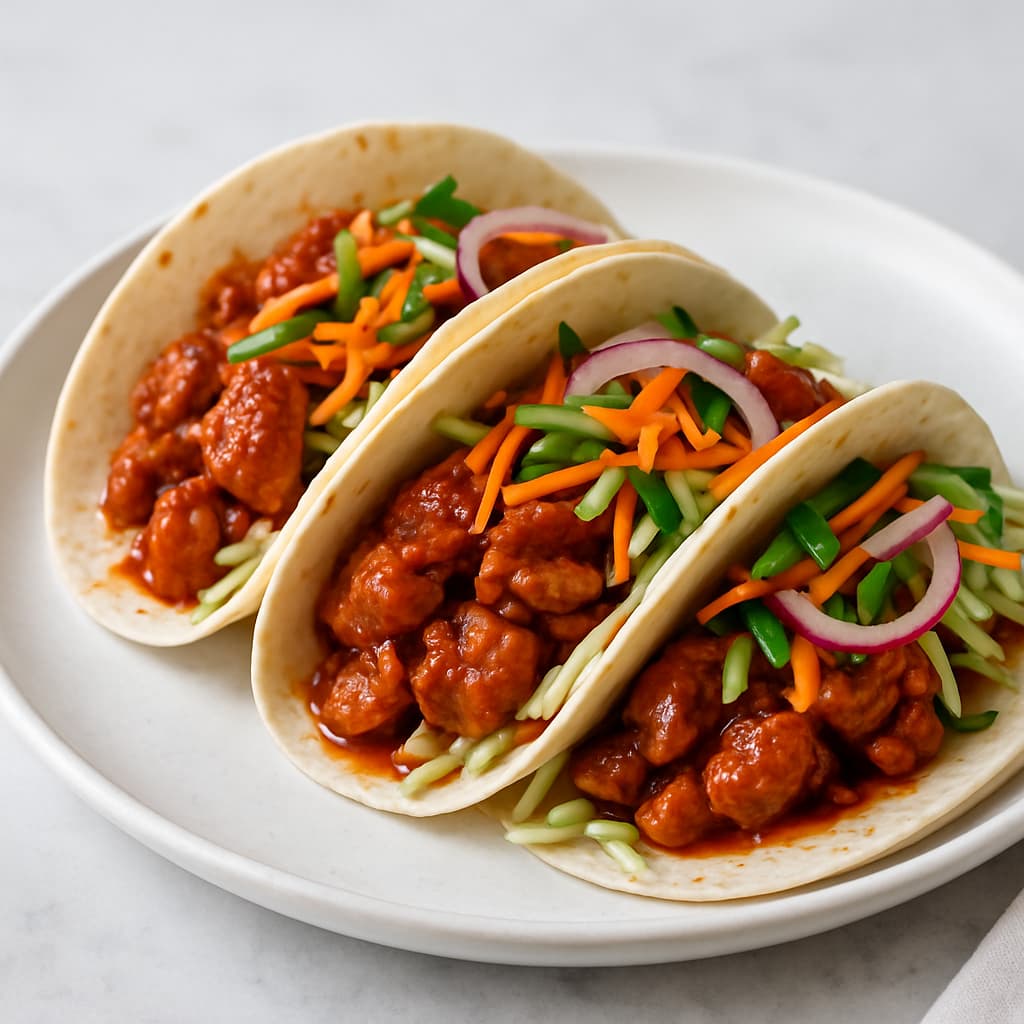
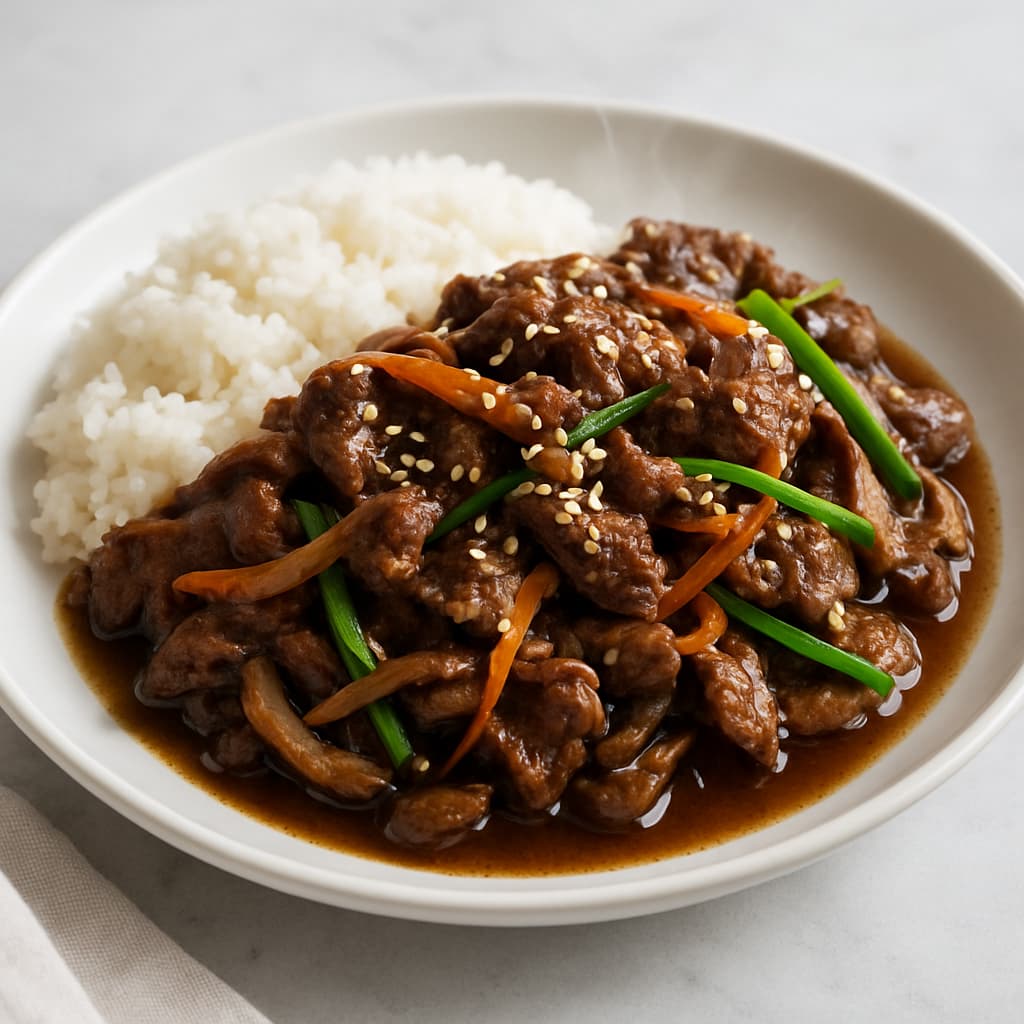
Real recipes from our database — click any meal to see the full recipe.
More Than Just Recipes
FamilyPlate uses your meal plan to power your entire family food system.
Family Voting
Stop guessing what they want. Let everyone vote on the weekly menu.
Smart Grocery List
Ingredients from your plan are automatically organised by aisle.
Recipe Database
Browse hundreds of family-friendly recipes filtered by cuisine, diet, and meal type.
Meal Planning with AI
Let AI build your weekly menu in seconds — personalised for your family's tastes.
Meal Swap
Don't like a meal? Swap it instantly for a better match — without breaking your weekly plan.
AI Taste Profiles
FamilyPlate learns what your family actually enjoys and turns it into smarter weekly meal plans.
Ready to Plan Your Korean Week?
Let FamilyPlate build you a full weekly plan your family will actually follow.
Start Planning for Free →Korean Meal Planning as a Family Activity
Korean meals are inherently family-friendly, offering a balance of flavors, textures, and nutrients that appeal to both children and adults. The emphasis on rice as a neutral base makes it easy to introduce new proteins and vegetables without overwhelming picky eaters. Many Korean dishes, such as bulgogi, japchae, and bibimbap, are naturally mild and can be adjusted to suit individual preferences. For example, parents can reduce the spiciness of gochujang or serve it on the side for adults only. The visual appeal of Korean food—colorful vegetables, neatly arranged bowls, and interactive elements like lettuce wraps—can also make mealtime more engaging for kids. Involving children in the cooking process, whether it's mixing bibimbap, assembling lettuce wraps, or stirring fried rice, fosters a sense of participation and encourages them to try new foods. Korean cuisine also lends itself well to meal prep, as many components can be prepared in advance and assembled quickly on busy weeknights. Leftovers are easily repurposed into new meals, such as turning leftover bulgogi into fried rice or using extra vegetables in a soup. The cultural emphasis on sharing and communal eating can also help families slow down and enjoy meals together, creating positive associations with food and fostering healthy eating habits that last a lifetime.
Frequently Asked Questions
Everything you need to know before getting started.
Is Korean food too spicy for children?
Not at all. Many classic Korean dishes — bulgogi, japchae, bibimbap, and galbi — are naturally mild and loved by children. Spicy elements like gochujang and gochugaru can simply be reduced or served on the side for adults. FamilyPlate's Korean meal plans are designed to work for the whole family, with spice levels you control.
Do I need to prepare many side dishes (banchan) every night?
No. The banchan tradition is beautiful but not mandatory on a weeknight. FamilyPlate's Korean meal plans focus on one main dish per meal, with optional simple sides. A batch of seasoned spinach or pickled radish prepared on Sunday will last the whole week and gives you that authentic Korean feel without the daily effort.
Are these Korean recipes authentic?
Our AI is trained on thousands of authentic Korean recipes but adapts them for home cooking. You can adjust the complexity and spice levels to suit your family.
Can I mix Korean meals with other cuisines?
Absolutely! You can choose Korean as your main preference, but mix in other styles for variety throughout the week.
Is this suitable for picky eaters?
Yes! The Family Voting feature lets your kids vote on the Korean meals before they go on the plan. If they vote "No", we swap it out instantly.
Start Your Korean Meal Plan Today
Join thousands of families who eat better, waste less, and stress less — every single week.
Get Started Free →