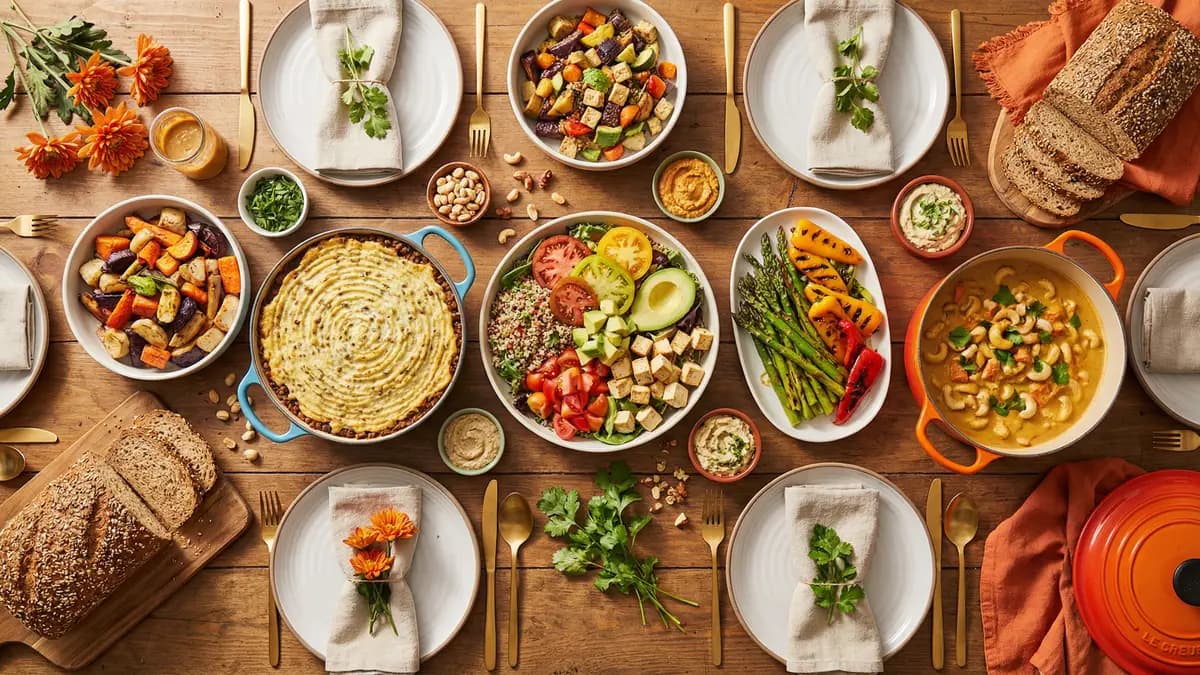
Vegan Meal Plan
for Families
Delicious, family-friendly Vegan meals that everyone will eat — even the non-Vegan members.
Create My Vegan Meal Plan →Trusted by 12,000+ families · No credit card required
Vegan meal planning for families has evolved dramatically in recent years. What was once considered a niche or restrictive diet is now recognized as a healthy, sustainable, and delicious way to feed your family. A well-planned vegan diet provides all the nutrients growing children and active adults need—protein, iron, calcium, and essential vitamins—while reducing the risk of chronic diseases and supporting environmental sustainability. For parents, the challenge isn't whether a vegan diet can be healthy (it absolutely can), but rather how to make it practical, affordable, and appealing to kids who may be used to meat and dairy. The good news is that modern vegan cooking has moved far beyond bland tofu and steamed vegetables. Today's vegan family meals are colorful, flavorful, and satisfying, featuring familiar favorites like tacos, pasta, pizza, and burgers—all made with plant-based ingredients. Whether your family is fully vegan, transitioning to plant-based eating, or simply trying to incorporate more meatless meals, a structured vegan meal plan takes the guesswork out of what to cook. It ensures variety, balanced nutrition, and meals that everyone will actually enjoy eating together.
The Cheese & Dairy Hurdle
The #1 reason families struggle with Vegan food at home — and how FamilyPlate solves it.
The Problem
So many kid-friendly favorites rely on cheese. Finding vegan alternatives for pizza, mac & cheese, or creamy sauces that your kids will actually eat—and not just push around the plate—is tough.
The FamilyPlate Solution
FamilyPlate generates creative, tasty Vegan meal plans that the whole family can enjoy together. No more short-order cooking.
Example Weekly Vegan Meal Plan
A real week your family could be eating — balanced between quick weekday meals and relaxed weekend cooking.
This structure balances fast weekday cooking with more relaxed weekend meals — making meal planning sustainable for the whole family.
Benefits of Vegan Meal Planning for Families
Complete Nutrition from Plant-Based Sources
A well-planned vegan diet provides all essential nutrients for growing children and adults. Legumes, tofu, tempeh, and quinoa deliver protein; leafy greens and fortified plant milks provide calcium; nuts and seeds offer healthy fats and iron. With proper planning, vegan families can meet or exceed nutritional recommendations without relying on animal products.
Reduces Risk of Chronic Diseases
Research consistently shows that plant-based diets reduce the risk of heart disease, type 2 diabetes, obesity, and certain cancers. By feeding your family a vegan diet rich in whole grains, fruits, vegetables, and legumes, you're setting them up for better long-term health outcomes and teaching them habits that will benefit them throughout their lives.
Environmentally Sustainable and Ethical
Choosing vegan meals significantly reduces your family's environmental footprint. Plant-based diets use fewer natural resources, produce lower greenhouse gas emissions, and reduce water consumption compared to meat-heavy diets. For families who care about sustainability and animal welfare, vegan eating aligns values with daily actions.
Naturally High in Fiber and Antioxidants
Vegan diets are packed with fiber from fruits, vegetables, whole grains, and legumes, which supports healthy digestion and keeps kids feeling full and energized throughout the day. The abundance of antioxidants from colorful plant foods also supports immune function and protects against illness—especially important for school-aged children.
Teaches Kids About Food Diversity
Vegan meal planning encourages families to explore a wider variety of foods than they might otherwise encounter. From lentils and chickpeas to tahini and nutritional yeast, kids learn to appreciate diverse flavors and textures. This exposure builds adventurous eaters and reduces picky eating over time.
5 Tips for Vegan Family Meal Planning
Focus on Familiar Favorites First
Transitioning to vegan eating is easier when you start with familiar dishes. Make vegan versions of family favorites like spaghetti with lentil Bolognese, tacos with seasoned black beans, or pizza with cashew cheese. Once your family is comfortable with these meals, gradually introduce new ingredients and cuisines.
Stock Your Pantry with Vegan Staples
A well-stocked pantry makes vegan cooking effortless. Keep canned beans, lentils, quinoa, pasta, canned tomatoes, coconut milk, nutritional yeast, and nut butters on hand. These versatile ingredients form the foundation of countless quick, healthy meals that can be prepared in 30 minutes or less.
Don't Rely Too Heavily on Processed Vegan Products
While vegan burgers, nuggets, and cheese alternatives can be helpful transition foods, they shouldn't be the foundation of your family's diet. Focus on whole foods like vegetables, grains, legumes, nuts, and seeds. Use processed vegan products occasionally for convenience, but prioritize nutrient-dense, minimally processed meals.
Involve Kids in Meal Planning and Prep
Kids are more likely to eat vegan meals when they help create them. Let them choose recipes, wash vegetables, stir sauces, or assemble their own burrito bowls. When children feel ownership over their meals, they're more willing to try new foods and less likely to resist plant-based eating.
Use FamilyPlate for Balanced Vegan Meal Plans
Planning a week of nutritionally balanced vegan meals can be overwhelming, especially if you're new to plant-based eating. FamilyPlate's AI generates personalized vegan meal plans that ensure your family gets adequate protein, iron, calcium, and other essential nutrients. The automatic grocery list feature also makes shopping for vegan ingredients simple and stress-free.
More Than Just a Diet
FamilyPlate builds your entire family food system around your dietary needs.
Family Voting
Stop guessing what they want. Let everyone vote on the weekly menu.
Smart Grocery List
Ingredients from your plan are automatically organised by aisle.
Recipe Database
Browse hundreds of family-friendly recipes filtered by cuisine, diet, and meal type.
Meal Planning with AI
Let AI build your weekly menu in seconds — personalised for your family's tastes.
Meal Swap
Don't like a meal? Swap it instantly for a better match — without breaking your weekly plan.
AI Taste Profiles
FamilyPlate learns what your family actually enjoys and turns it into smarter weekly meal plans.
Ready to Plan Your Vegan Week?
Let FamilyPlate build you a full weekly plan your family will actually follow.
Start Planning for Free →Vegan Meal Planning as a Family Activity
Vegan meal planning is surprisingly family-friendly when approached with flexibility and creativity. The key is making meals that feel familiar and satisfying rather than focusing on what's missing. Kids don't need to know they're eating 'vegan'—they just need to enjoy their food. Dishes like spaghetti with marinara and 'meatballs' (made from lentils or walnuts), tacos with seasoned beans, or creamy mac and 'cheese' (made from cashews) are indistinguishable from their non-vegan counterparts to most children. The beauty of vegan cooking is that it encourages families to eat more whole foods, experiment with new cuisines, and build meals around vegetables rather than treating them as an afterthought. For mixed families where some members are vegan and others aren't, many vegan meals can be easily adapted—add grilled chicken to one portion, keep another fully plant-based. The flexibility of vegan meal planning makes it accessible for any family, regardless of where they are on their plant-based journey.
Frequently Asked Questions
Everything you need to know before getting started.
Is this strictly for Vegan families?
It's perfect for mixed families too! Our recipes are designed to be delicious for everyone, whether they strictly follow a Vegan diet or not.
Does the shopping list handle Vegan ingredients?
Yes, our automatic grocery list specifically identifies Vegan substitutes and ingredients, making your shopping trip much faster.
Can I exclude specific ingredients?
Yes, beyond just being Vegan, you can exclude specific allergens or ingredients you just don't like.
Start Your Vegan Meal Plan Today
Join thousands of families who eat better, waste less, and stress less — every single week.
Get Started Free →