Japanese Meal Plan
for Families
Kid-friendly Japanese dinners — planned automatically for your family every week.
Create My Japanese Meal Plan →Trusted by 12,000+ families · No credit card required
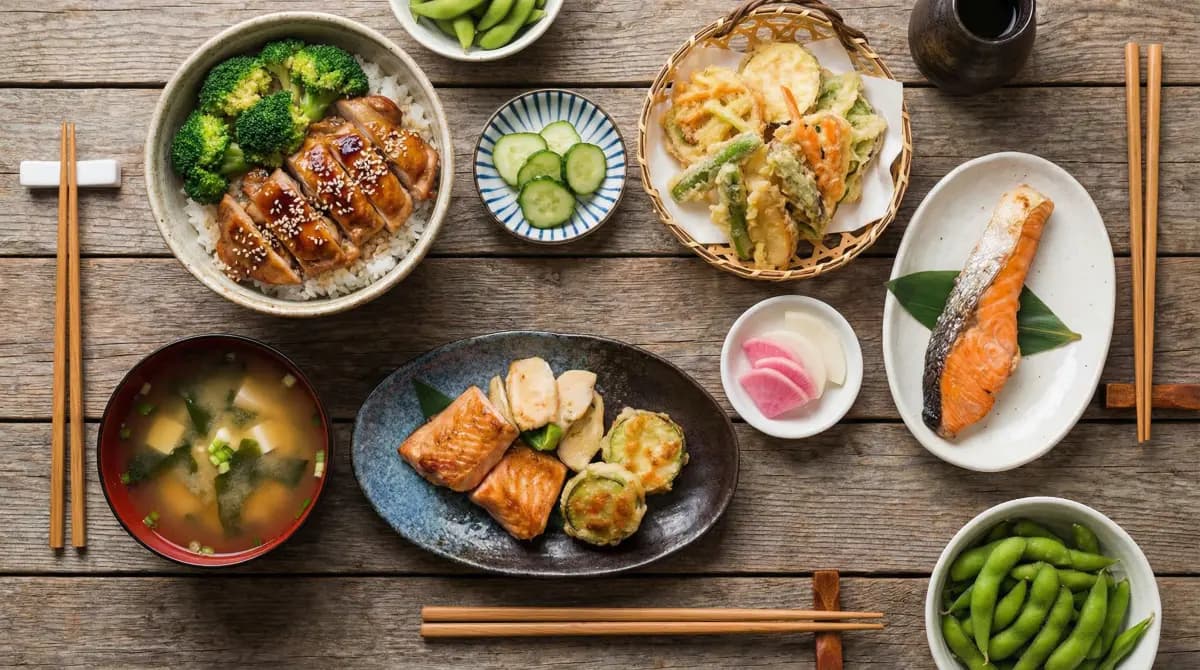
Japanese cuisine has long been celebrated as one of the healthiest in the world, rooted in fresh ingredients, balanced nutrition, and mindful preparation. For families, adopting a Japanese meal plan means embracing meals that are naturally rich in omega-3 fatty acids, lean proteins, fermented foods, and seasonal vegetables—all of which support heart health, digestion, and overall wellness. The traditional Japanese diet emphasizes variety and moderation, often featuring fish, rice, miso, seaweed, and pickled vegetables. These ingredients not only deliver essential nutrients but also introduce children to diverse flavors and textures in a gentle, approachable way. Unlike many Western diets heavy in processed foods and added sugars, Japanese cooking focuses on umami-rich broths, grilled proteins, and steamed or lightly sautéed vegetables. This approach naturally reduces unhealthy fats and empty calories while maximizing nutritional density. For busy parents, Japanese meals offer a practical advantage: many dishes are one-bowl wonders or bento-style combinations that streamline meal prep and cleanup. Teriyaki chicken rice bowls, miso soup with tofu, and salmon shiozake are weeknight-friendly options that require minimal ingredients and cooking time. Even seemingly complex dishes like tempura can be simplified with oven-baking techniques, making them accessible for families without sacrificing flavor. Beyond physical health, Japanese meal planning encourages mindfulness and gratitude—values that can be shared at the family table. Teaching children to appreciate the colors, textures, and origins of their food fosters a deeper connection to what they eat and where it comes from.
Beyond Sushi & Ramen
The #1 reason families struggle with Japanese food at home — and how FamilyPlate solves it.
The Problem
Japanese cuisine is incredibly healthy, but making it at home can feel intimidating. Sourcing specific ingredients and prepping delicate dishes often feels too time-consuming for a weeknight family dinner.
The FamilyPlate Solution
FamilyPlate's AI creates a personalised Japanese-inspired meal plan for your family. We handle the recipes, the variety, and the grocery list. You just cook and enjoy.
Example Weekly Japanese Meal Plan
A real week your family could be eating — balanced between quick weekday meals and relaxed weekend cooking.
This structure balances fast weekday cooking with more relaxed weekend meals — making meal planning sustainable for the whole family.
Benefits of Japanese Meal Planning for Families
Heart-Healthy Omega-3s from Fish
Japanese cuisine is renowned for its emphasis on fish, particularly fatty varieties like salmon, mackerel, and sardines, which are rich in omega-3 fatty acids. These essential fats support cardiovascular health, reduce inflammation, and promote brain development in children. Regular consumption of fish has been linked to lower rates of heart disease and improved cognitive function. For families, incorporating grilled or salt-grilled fish into weekly meal plans is an easy way to boost nutrition without relying on supplements. Even picky eaters can enjoy mild, flaky fish when paired with familiar sides like rice and steamed vegetables.
Gut Health Through Fermented Foods
Fermented foods like miso, natto, and pickled vegetables are staples in Japanese cooking and offer significant benefits for digestive health. These foods are rich in probiotics, which support a healthy gut microbiome, improve digestion, and enhance immune function. Miso soup, for example, is a simple, comforting dish that can be prepared in minutes and provides a daily dose of beneficial bacteria. Introducing children to fermented flavors early helps them develop a taste for these nutrient-dense foods, which are often missing from typical Western diets.
Balanced Macros with Rice & Protein
Japanese meals typically feature a balanced combination of carbohydrates, proteins, and vegetables, often centered around a bowl of rice paired with a protein source like fish, chicken, or tofu. This macronutrient balance provides sustained energy throughout the day, prevents blood sugar spikes, and supports healthy growth in children. Rice serves as a neutral, filling base that complements a wide variety of flavors, making it an ideal foundation for family meals. Unlike heavily processed grains, white or brown rice is naturally gluten-free and easy to digest.
Low in Added Sugars & Processed Ingredients
One of the most significant advantages of Japanese cooking is its minimal reliance on added sugars, artificial flavors, and heavily processed ingredients. Traditional Japanese meals derive their flavor from natural sources like dashi (a seaweed and fish broth), soy sauce, mirin, and fresh herbs. This approach not only reduces the risk of childhood obesity and dental issues but also helps children develop a palate for real, whole foods. By avoiding the sugar-laden sauces and snacks common in many Western diets, families can support long-term health and prevent chronic diseases.
Encourages Mindful Eating Habits
Japanese food culture emphasizes presentation, portion control, and gratitude, all of which promote mindful eating. Meals are often served in smaller portions across multiple dishes, encouraging diners to savor each bite and recognize when they are full. This practice can help children develop a healthy relationship with food, reducing the likelihood of overeating and fostering an appreciation for quality over quantity. Teaching kids to say "itadakimasu" (a phrase of gratitude before eating) can also instill a sense of respect for the effort and resources that go into every meal.
5 Tips for Japanese Family Meal Planning
Start with Familiar Flavors
If your family is new to Japanese cuisine, begin with dishes that feature familiar ingredients and mild flavors. Teriyaki chicken, for example, is sweet and savory, making it a hit with kids who are used to Western-style proteins. Miso soup with tofu and seaweed is another gentle introduction, especially when served alongside rice and a simple vegetable side. As your family becomes more comfortable, gradually introduce bolder flavors like pickled ginger, nori, and sesame oil.
Invest in a Few Key Ingredients
Japanese cooking doesn't require a fully stocked pantry, but a few staple ingredients can go a long way. Stock up on soy sauce, mirin, rice vinegar, miso paste, and dashi powder or kombu (dried kelp). These items have a long shelf life and can be used to create a wide variety of dishes. A rice cooker is also a worthwhile investment, as it simplifies the process of making perfect rice every time and frees up stovetop space for other components of the meal.
Embrace One-Bowl Meals
Japanese cuisine is full of one-bowl wonders that combine rice, protein, and vegetables in a single dish. Donburi (rice bowls) like oyakodon (chicken and egg) or gyudon (beef) are quick to prepare, easy to customize, and perfect for busy weeknights. These meals also minimize cleanup, which is a huge win for parents. Encourage kids to help assemble their own bowls, choosing their favorite toppings and sauces to build excitement around the meal.
Simplify Traditional Techniques
While traditional Japanese cooking can involve intricate techniques, many dishes can be adapted for home kitchens without sacrificing authenticity. For example, tempura can be oven-baked instead of deep-fried, and ramen broth can be made quickly using store-bought dashi and miso paste. Don't be afraid to take shortcuts—using pre-cooked rice, frozen vegetables, or rotisserie chicken can save time while still delivering delicious, nutritious meals.
Make It a Family Activity
Japanese cooking offers plenty of opportunities for kids to get involved in the kitchen. Let them help wash rice, tear nori sheets, or arrange vegetables in a bento box. Making sushi rolls at home can be a fun, interactive activity that teaches children about food preparation and encourages them to try new ingredients. Even simple tasks like stirring miso soup or sprinkling sesame seeds can give kids a sense of ownership over the meal and make them more excited to eat it.
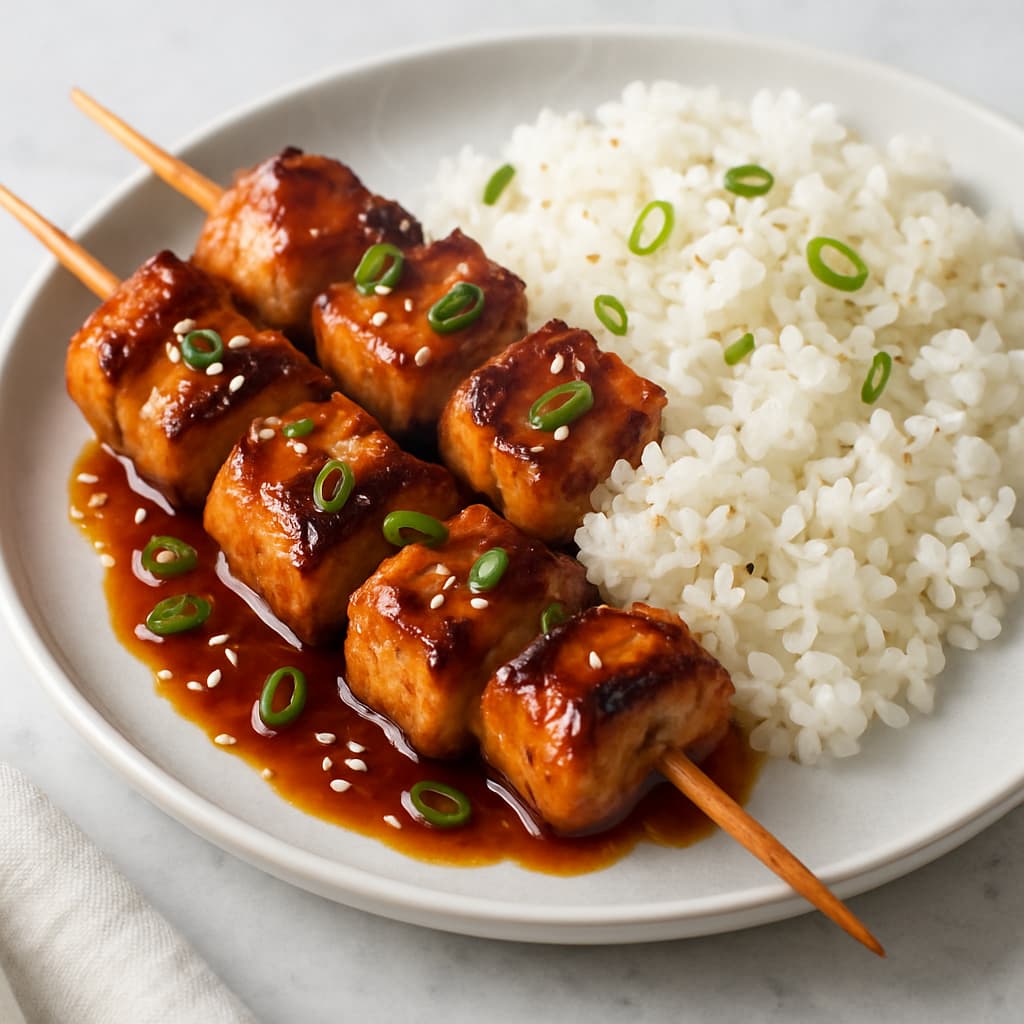
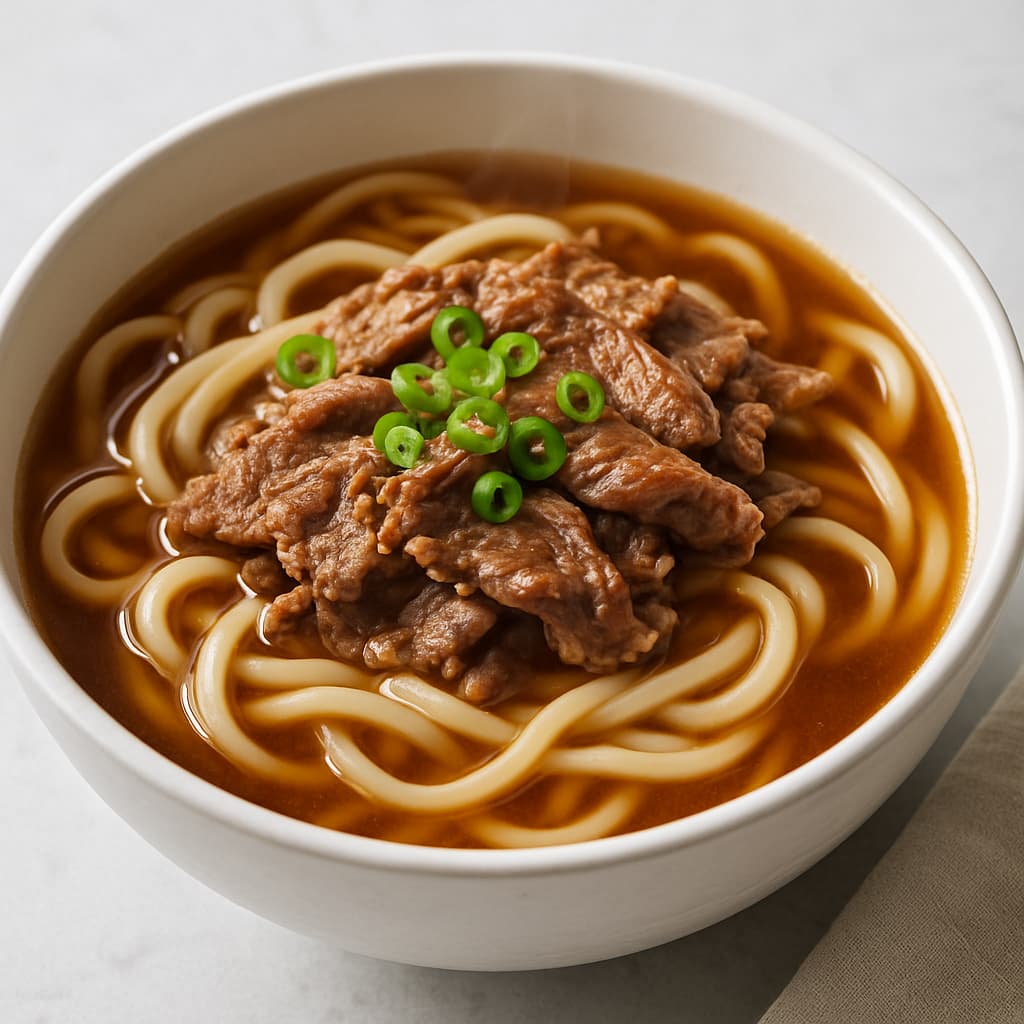
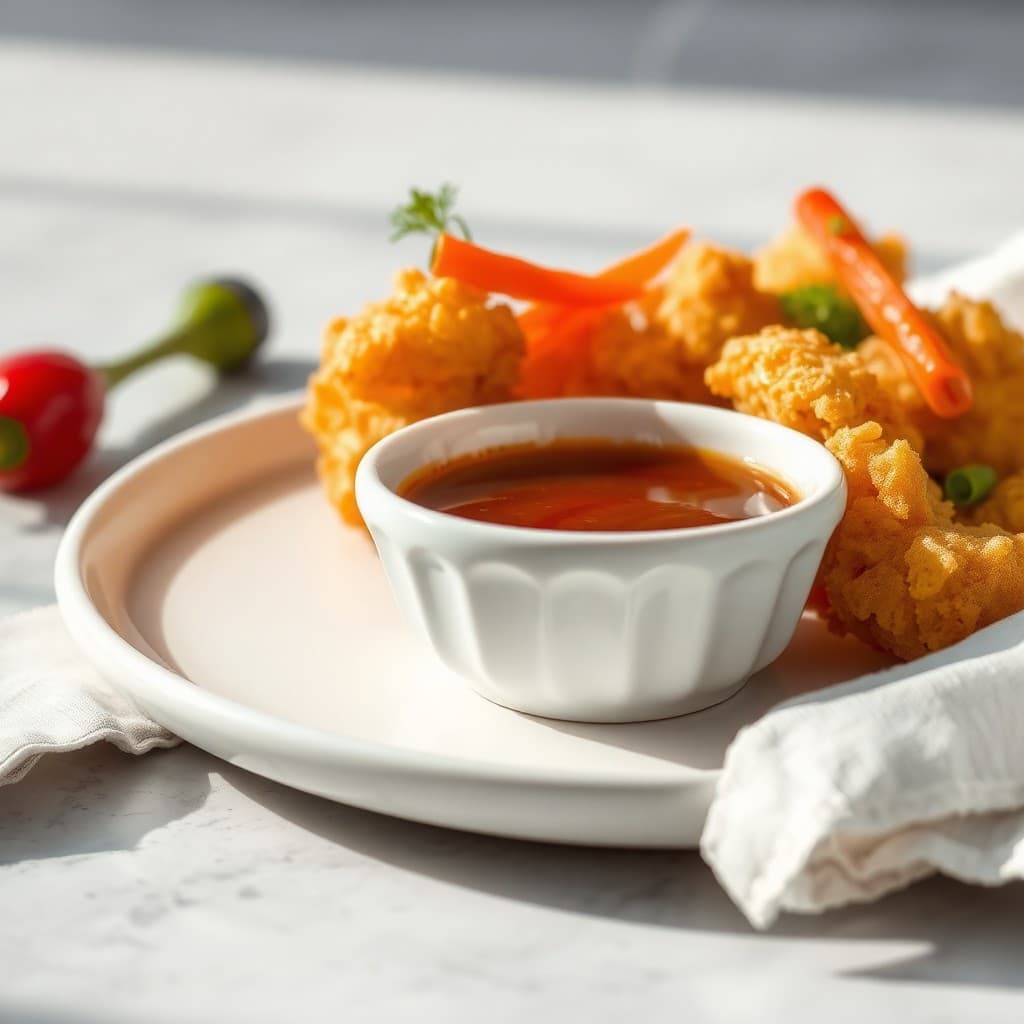
Japanese Meal Ideas for Your Family
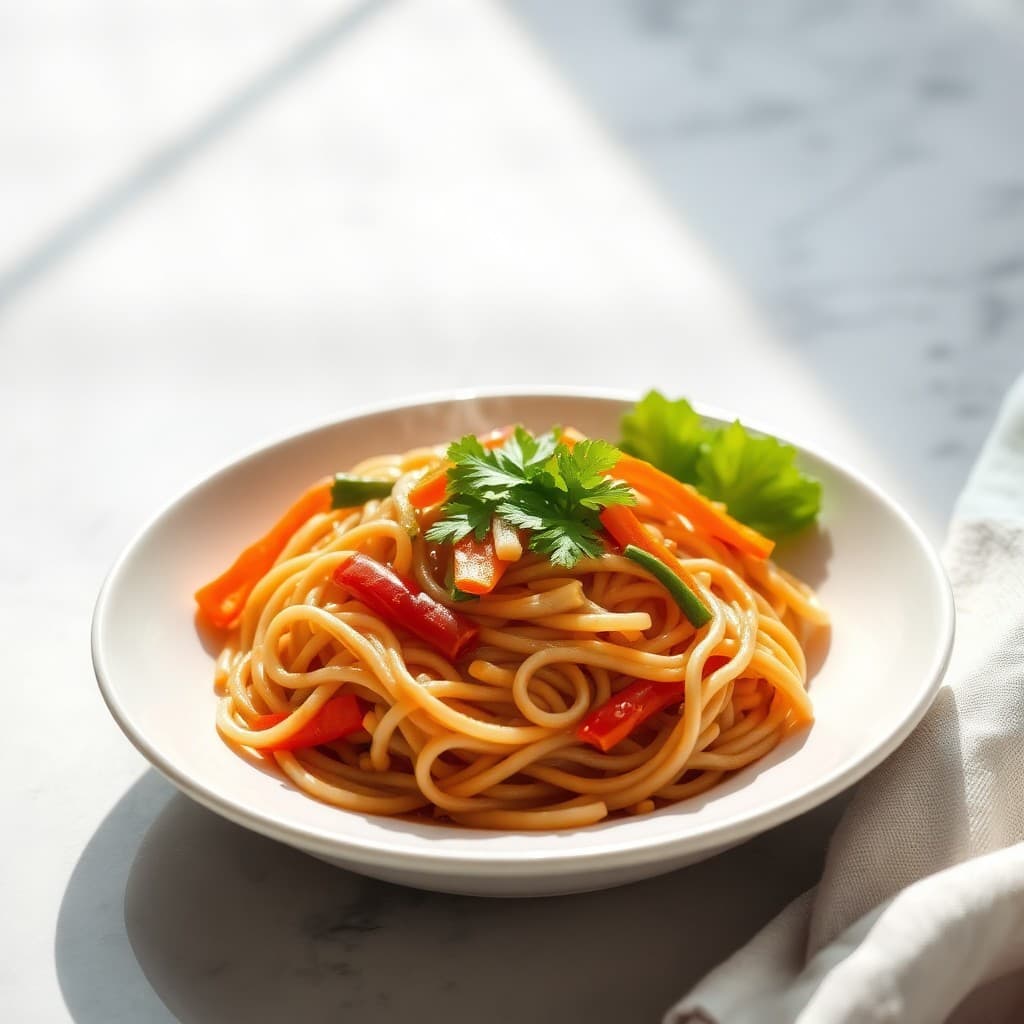
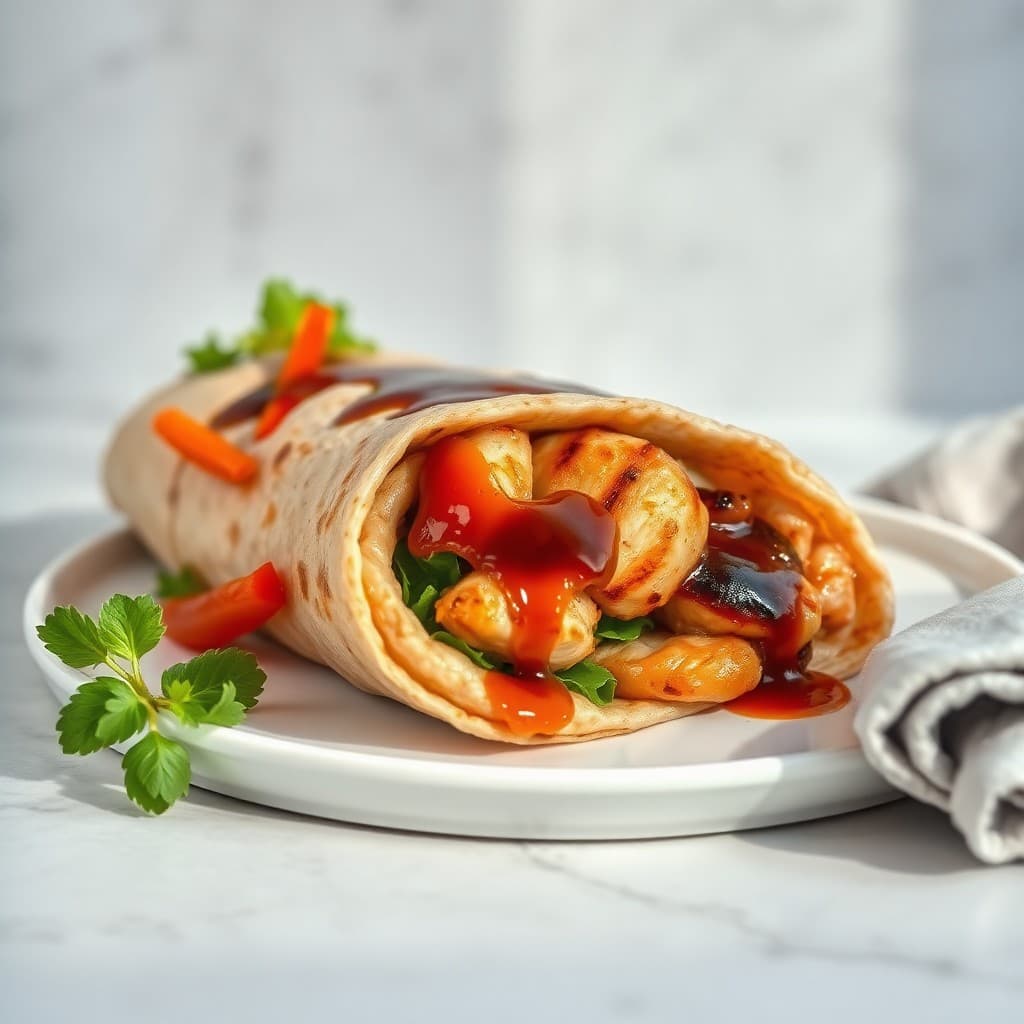
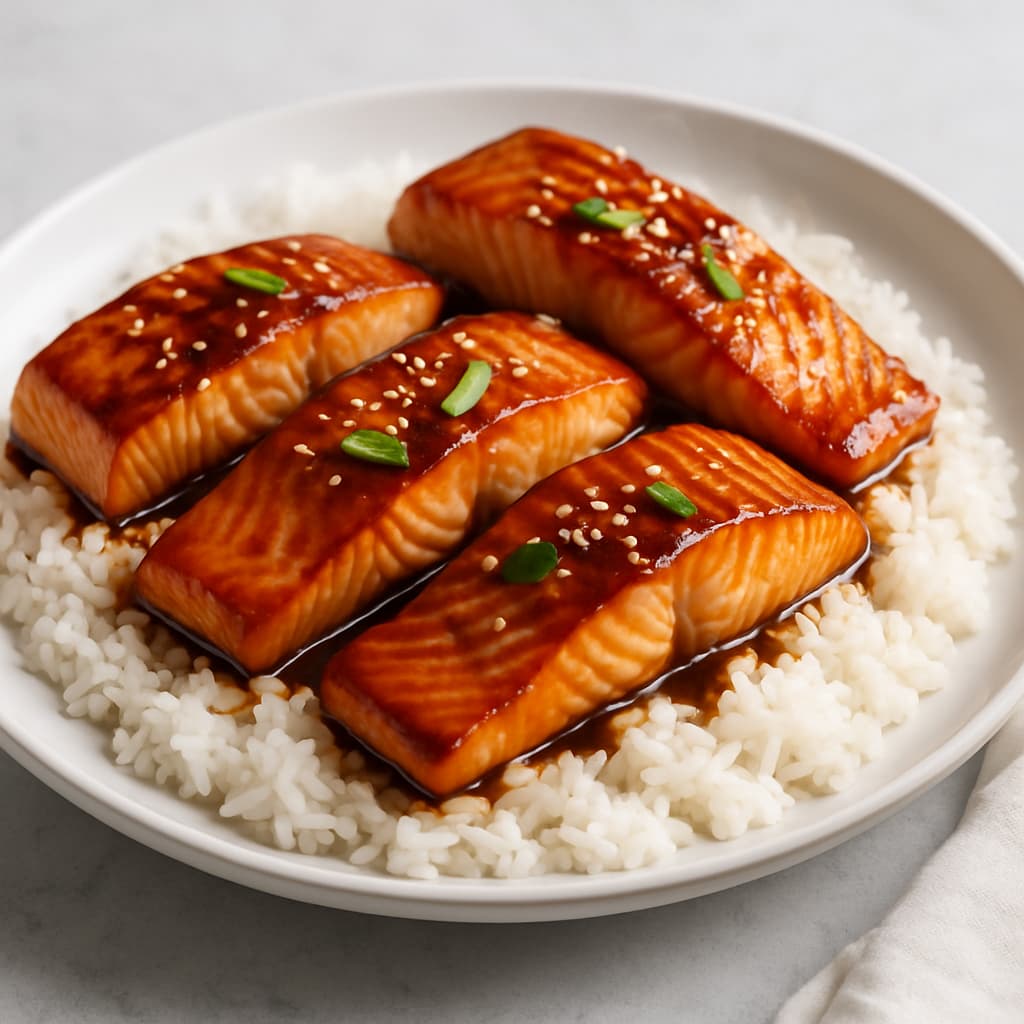
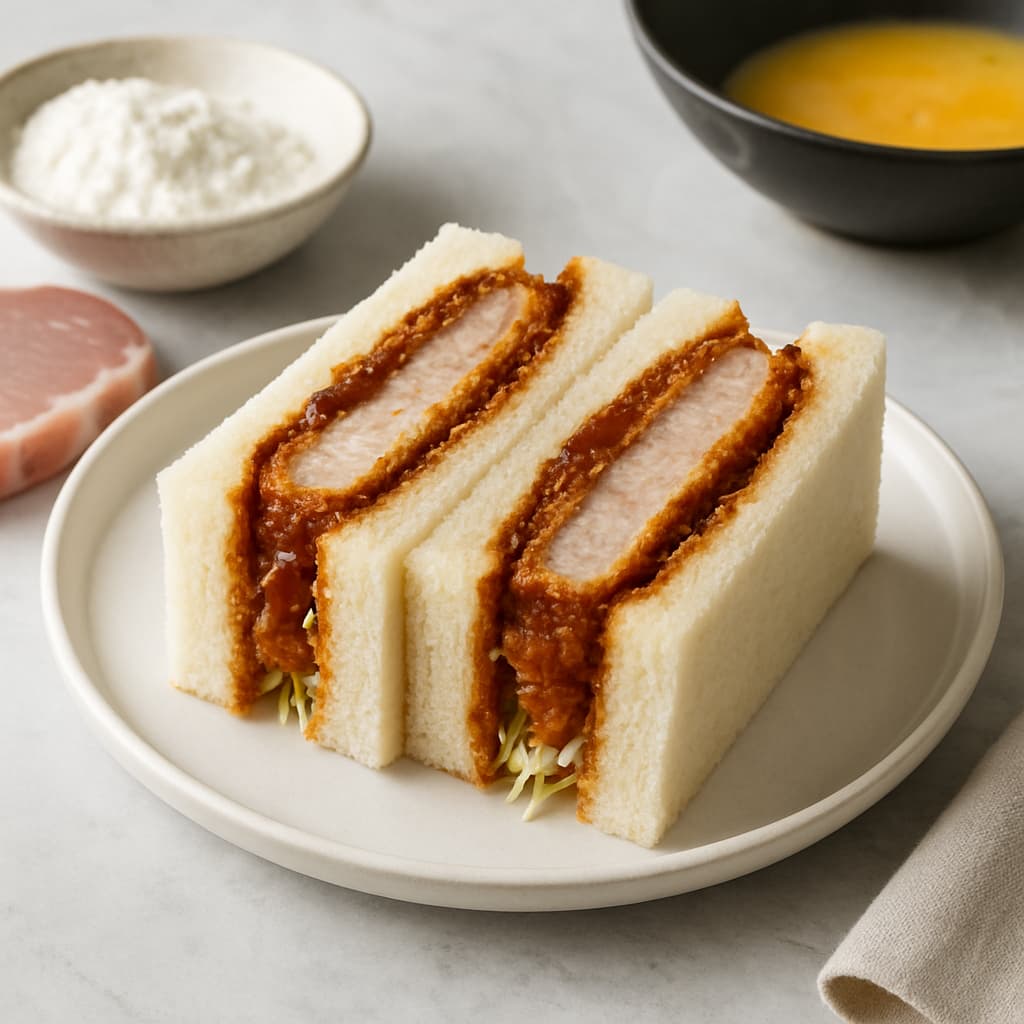
Real recipes from our database — click any meal to see the full recipe.

More Than Just Recipes
FamilyPlate uses your meal plan to power your entire family food system.
Family Voting
Stop guessing what they want. Let everyone vote on the weekly menu.
Smart Grocery List
Ingredients from your plan are automatically organised by aisle.
Recipe Database
Browse hundreds of family-friendly recipes filtered by cuisine, diet, and meal type.
Meal Planning with AI
Let AI build your weekly menu in seconds — personalised for your family's tastes.
Meal Swap
Don't like a meal? Swap it instantly for a better match — without breaking your weekly plan.
AI Taste Profiles
FamilyPlate learns what your family actually enjoys and turns it into smarter weekly meal plans.
Ready to Plan Your Japanese Week?
Let FamilyPlate build you a full weekly plan your family will actually follow.
Start Planning for Free →Japanese Meal Planning as a Family Activity
Japanese meals are inherently family-friendly, offering a balance of flavors, textures, and nutrients that appeal to both children and adults. The emphasis on rice as a neutral base makes it easy to introduce new proteins and vegetables without overwhelming picky eaters. Many Japanese dishes, such as teriyaki chicken, miso soup, and rice bowls, are naturally mild and can be adjusted to suit individual preferences. For example, parents can reduce the saltiness of soy sauce or omit spicy ingredients like wasabi and chili oil for younger children. The visual appeal of Japanese food—colorful vegetables, neatly arranged bento boxes, and fun shapes like onigiri (rice balls)—can also make mealtime more engaging for kids. Involving children in the cooking process, whether it's rolling sushi, assembling a rice bowl, or stirring soup, fosters a sense of participation and encourages them to try new foods. Japanese cuisine also lends itself well to meal prep, as many components can be prepared in advance and assembled quickly on busy weeknights. Leftovers are easily repurposed into bento lunches, reducing food waste and saving time. The cultural emphasis on gratitude and mindfulness at the table can also help families slow down and enjoy meals together, creating positive associations with food and fostering healthy eating habits that last a lifetime.
Frequently Asked Questions
Everything you need to know before getting started.
Are these Japanese recipes authentic?
Our AI is trained on thousands of authentic Japanese recipes but adapts them for home cooking. You can adjust the complexity and spice levels to suit your family.
Can I mix Japanese meals with other cuisines?
Absolutely! You can choose Japanese as your main preference, but mix in other styles for variety throughout the week.
Is this suitable for picky eaters?
Yes! The Family Voting feature lets your kids vote on the Japanese meals before they go on the plan. If they vote "No", we swap it out instantly.
Start Your Japanese Meal Plan Today
Join thousands of families who eat better, waste less, and stress less — every single week.
Get Started Free →