Indian Meal Plan
for Families
Kid-friendly Indian dinners — planned automatically for your family every week.
Create My Indian Meal Plan →Trusted by 12,000+ families · No credit card required
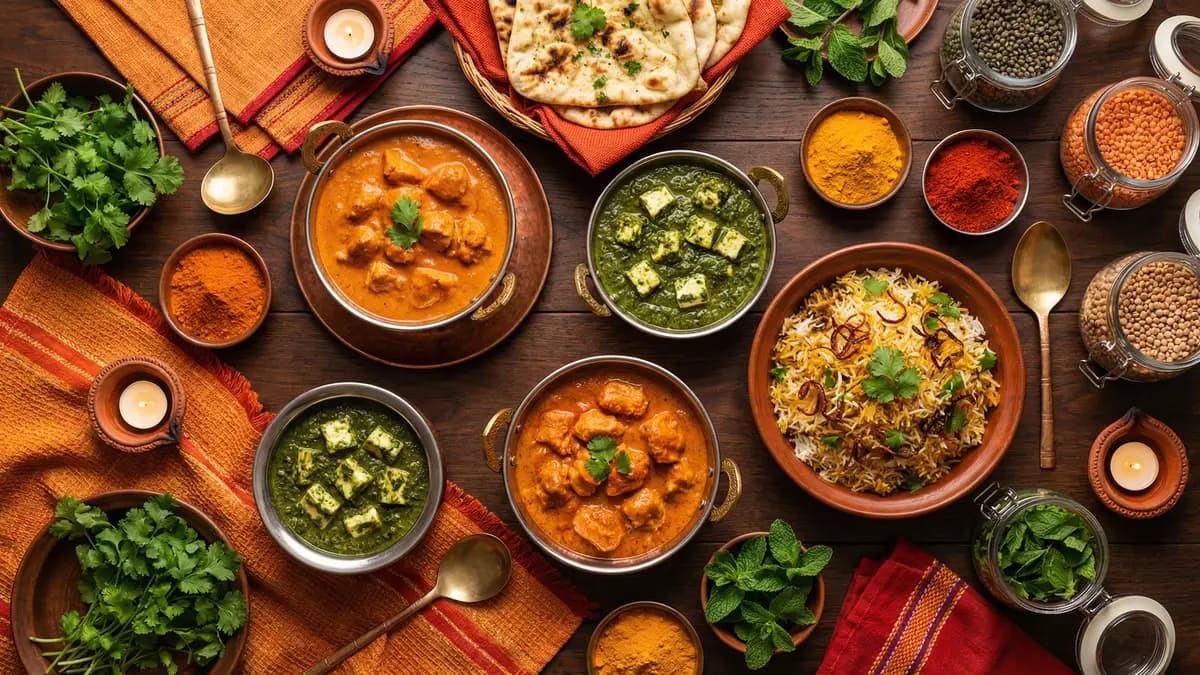
Indian cuisine is one of the most diverse and flavorful in the world, offering families an incredible range of dishes that span from mild and creamy to bold and spicy. For families interested in exploring Indian meal planning, the cuisine provides an excellent opportunity to introduce children to new flavors, textures, and ingredients while still creating meals that everyone can enjoy. Indian cooking emphasizes vegetables, legumes, whole grains, and aromatic spices—ingredients that are not only delicious but also incredibly nutritious. The challenge for busy parents isn't whether Indian food can be family-friendly (it absolutely can), but rather how to simplify the cooking process without sacrificing authentic flavors. Traditional Indian recipes often call for complex spice blends, long cooking times, and hard-to-find ingredients, which can feel overwhelming for families new to the cuisine. However, modern Indian meal planning focuses on streamlined recipes that use accessible ingredients and time-saving techniques while still delivering the rich, satisfying flavors Indian food is known for. Whether your family is already familiar with Indian cuisine or trying it for the first time, a structured meal plan takes the guesswork out of what to cook and ensures balanced, flavorful meals that bring everyone together.
Complexity & Time Management
The #1 reason families struggle with Indian food at home — and how FamilyPlate solves it.
The Problem
Authentic Indian cooking involves complex spice blends and long simmering times. On a Tuesday night after soccer practice, roasting spices and slow-cooking a curry feels impossible.
The FamilyPlate Solution
FamilyPlate's AI creates a personalised Indian-inspired meal plan for your family. We handle the recipes, the variety, and the grocery list. You just cook and enjoy.
Example Weekly Indian Meal Plan
A real week your family could be eating — balanced between quick weekday meals and relaxed weekend cooking.
This structure balances fast weekday cooking with more relaxed weekend meals — making meal planning sustainable for the whole family.
Benefits of Indian Meal Planning for Families
Rich in Plant-Based Proteins and Fiber
Indian cuisine naturally emphasizes legumes like lentils, chickpeas, and black beans, which are excellent sources of plant-based protein and fiber. These ingredients support digestive health, stabilize blood sugar, and keep kids feeling full and energized throughout the day. For families looking to reduce meat consumption, Indian meal planning offers countless delicious vegetarian options.
Packed with Anti-Inflammatory Spices
Indian cooking relies heavily on spices like turmeric, cumin, coriander, ginger, and garlic—all of which have powerful anti-inflammatory and antioxidant properties. These spices not only add incredible flavor but also support immune function, reduce inflammation, and promote overall health for the entire family.
Introduces Kids to Global Flavors
Exposing children to Indian cuisine helps them develop adventurous palates and an appreciation for diverse cultures. Dishes like butter chicken, dal, and biryani introduce new flavors and textures in a way that's approachable and delicious. Kids who grow up eating a variety of cuisines are more likely to be open-minded eaters as adults.
Naturally Adaptable for Different Spice Tolerances
One of the greatest strengths of Indian cooking is its adaptability. Most Indian dishes can be made mild for children and spicier for adults by adjusting the amount of chili or cayenne. This flexibility makes it easy to cook one meal that satisfies the entire family without requiring separate preparations.
Budget-Friendly and Uses Pantry Staples
Indian meal planning is surprisingly affordable. Staples like rice, lentils, chickpeas, potatoes, and spices are inexpensive and have long shelf lives. Many Indian dishes are vegetarian or use small amounts of meat, making them cost-effective for families. Once you stock your pantry with basic spices, Indian cooking becomes incredibly economical.
5 Tips for Indian Family Meal Planning
Start with Mild, Familiar Dishes
If your family is new to Indian food, begin with mild, approachable dishes like butter chicken, dal (lentil soup), or vegetable biryani. These dishes have familiar textures and flavors that kids typically enjoy. As your family's palate expands, gradually introduce bolder flavors and spicier dishes.
Invest in a Few Key Spices
You don't need a full Indian spice cabinet to make delicious Indian meals. Start with essentials like cumin, coriander, turmeric, garam masala, and ginger. These five spices form the foundation of countless Indian dishes and can be used in combination to create complex, authentic flavors.
Use Pre-Made Spice Blends and Pastes
To save time on busy weeknights, use high-quality pre-made spice blends (like garam masala or curry powder) and jarred pastes (like ginger-garlic paste). These shortcuts dramatically reduce prep time without sacrificing flavor, making Indian cooking more accessible for busy families.
Serve Indian Meals Family-Style
Indian food is traditionally served family-style, with multiple dishes shared in the center of the table. This approach allows picky eaters to choose what they want and try new foods without pressure. Serve rice, dal, a curry, and naan or roti, and let everyone build their own plate.
Use FamilyPlate for Simplified Indian Meal Plans
Planning a week of Indian meals can feel overwhelming if you're unfamiliar with the cuisine. FamilyPlate's AI generates personalized Indian meal plans with simplified recipes that use accessible ingredients and time-saving techniques. The automatic grocery list feature also makes shopping for Indian ingredients stress-free.
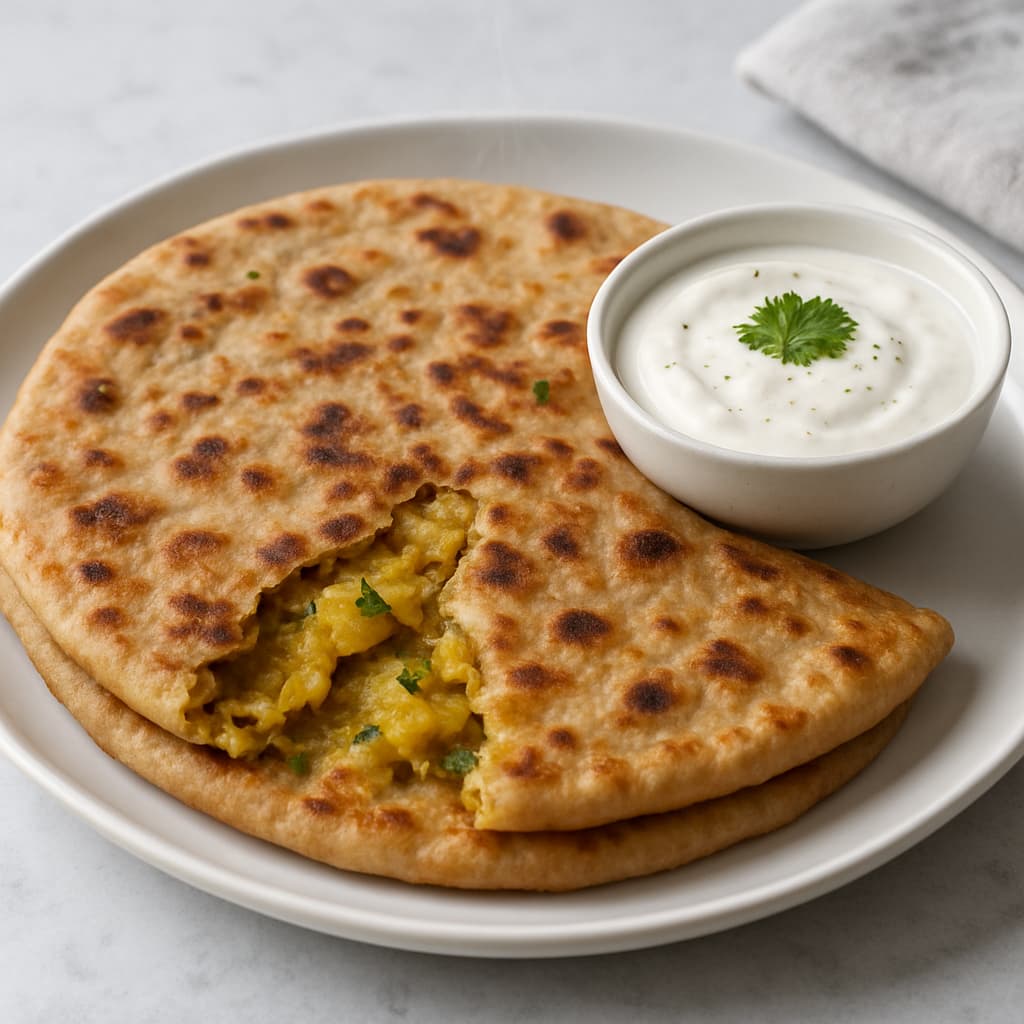
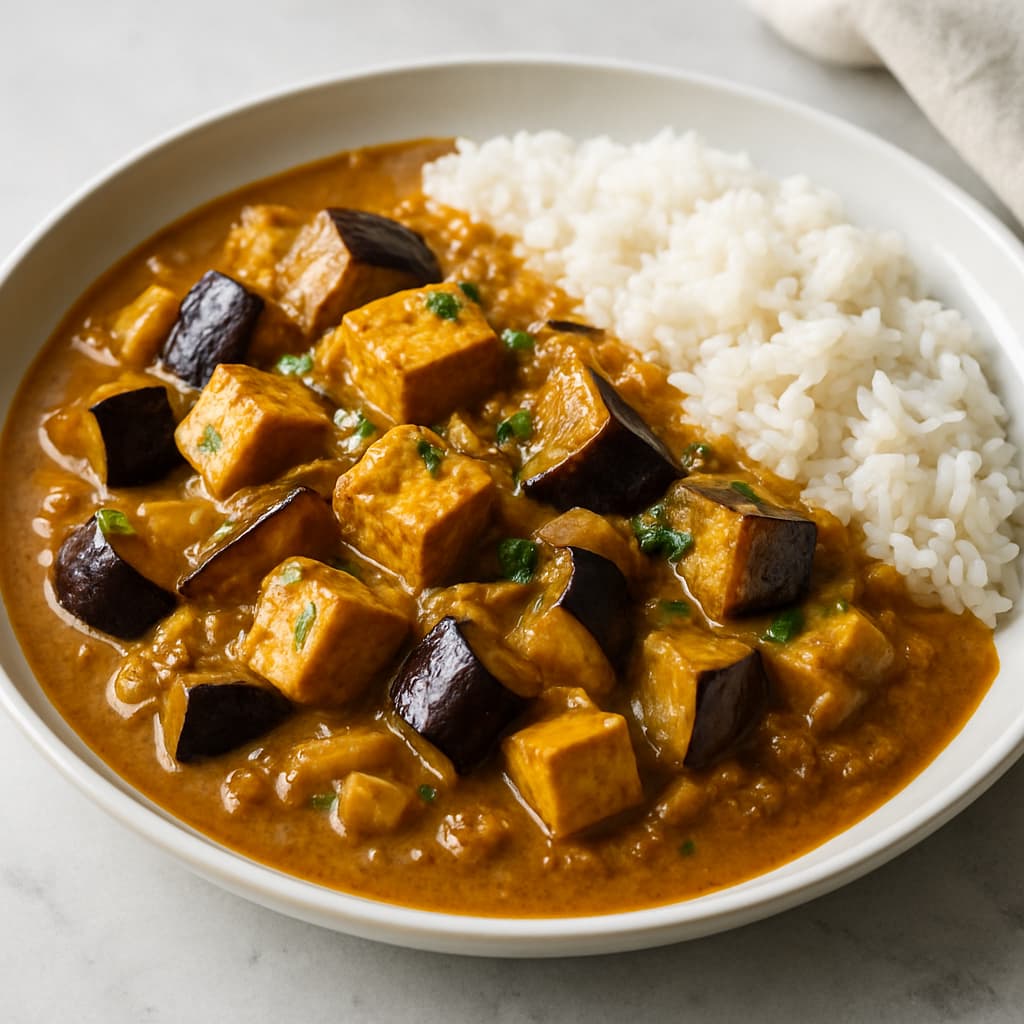
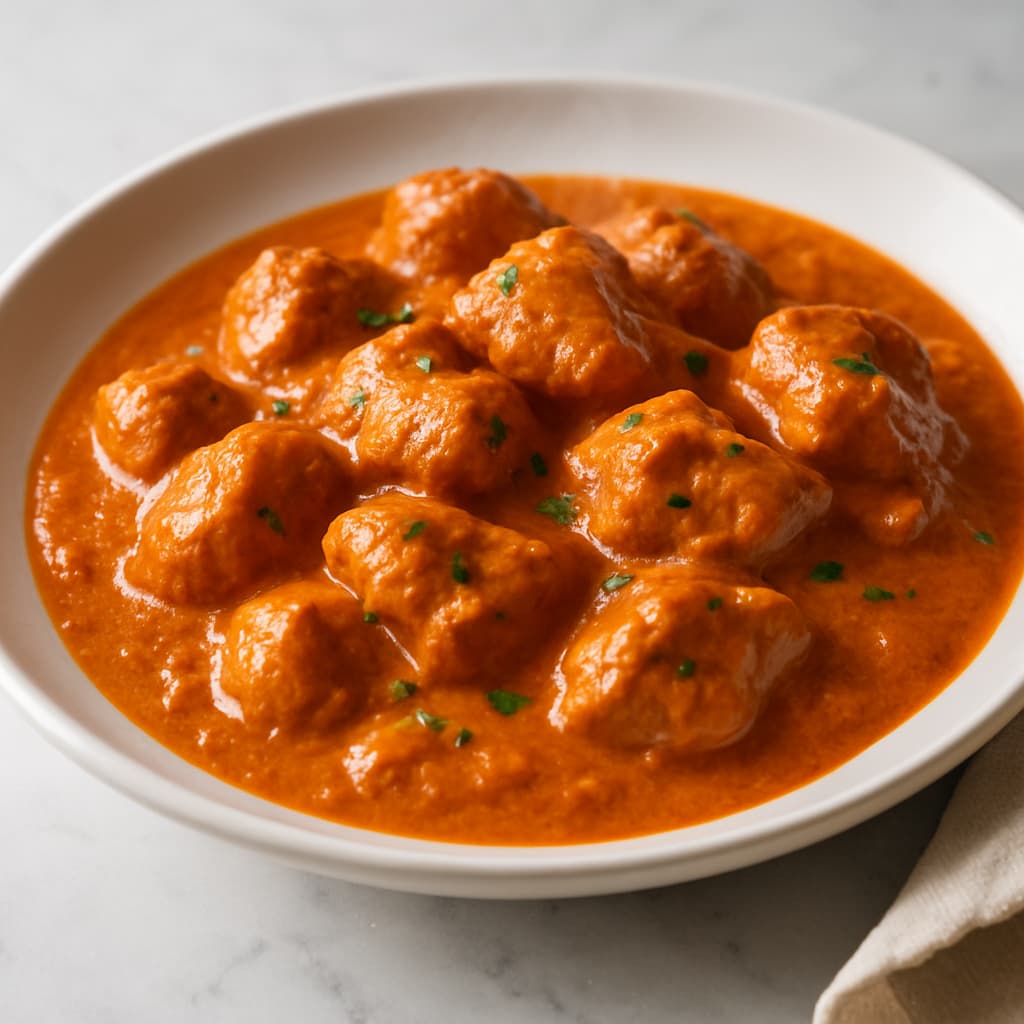
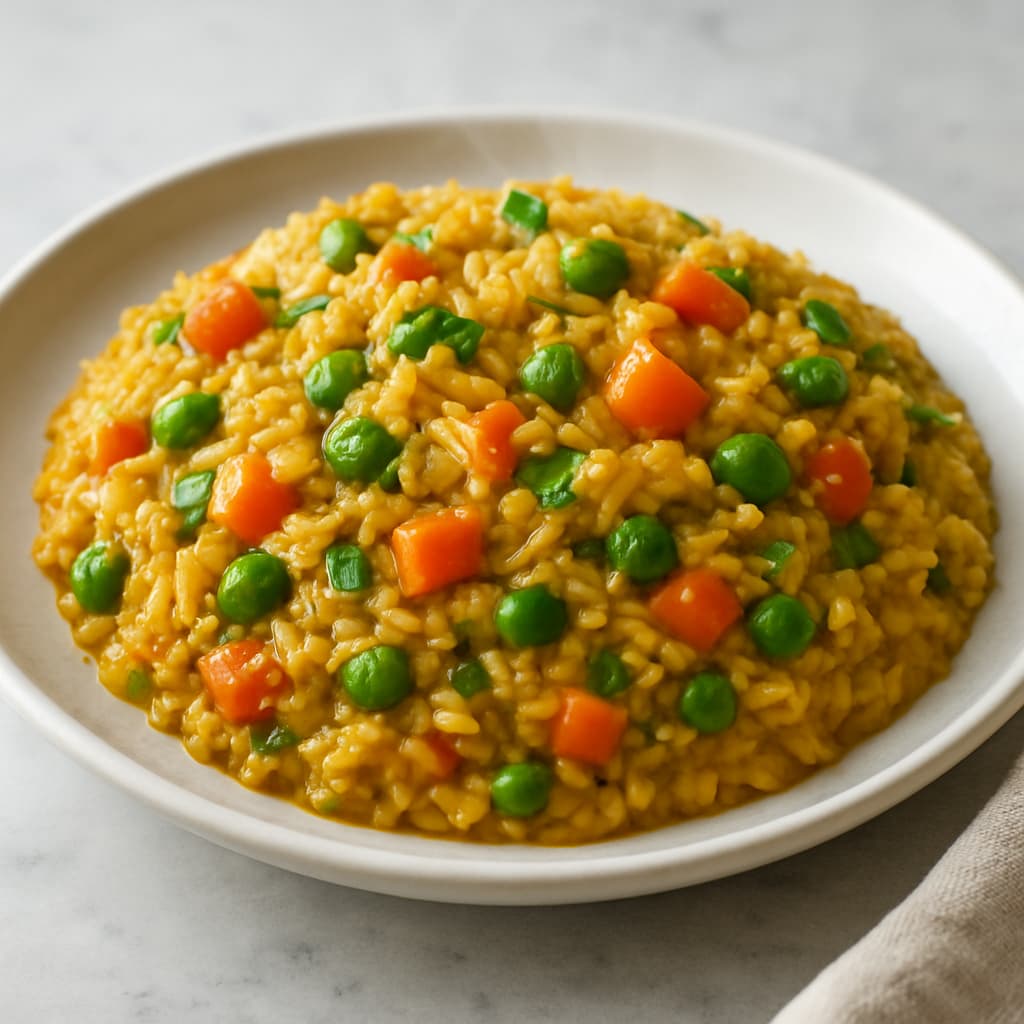
Indian Meal Ideas for Your Family
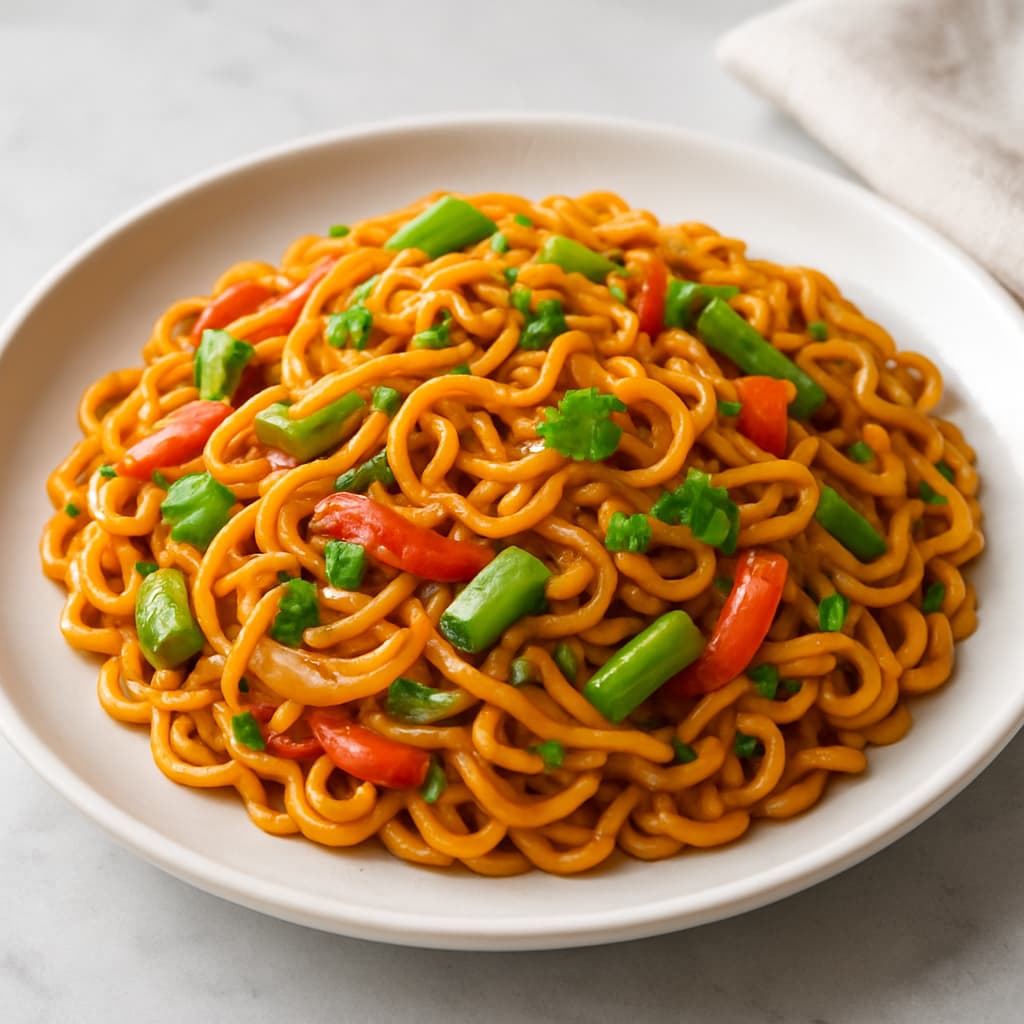
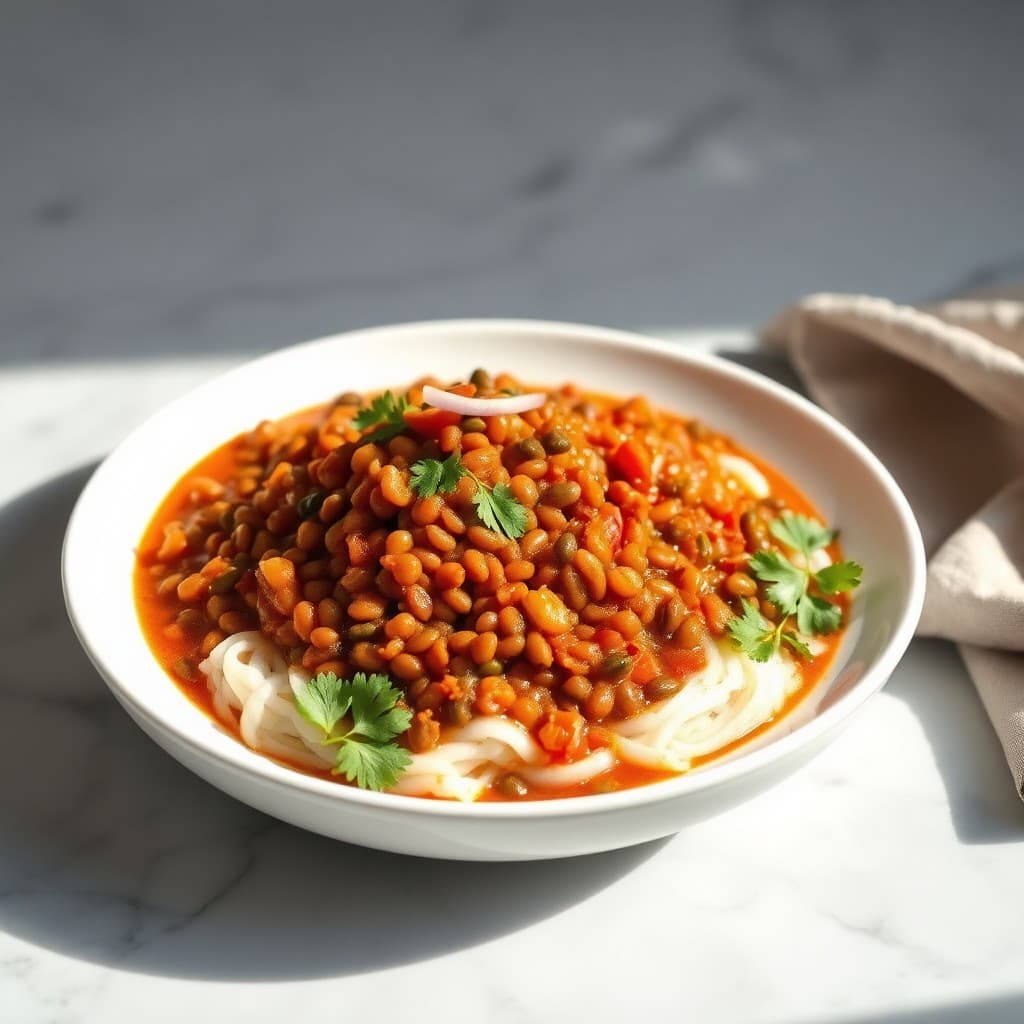
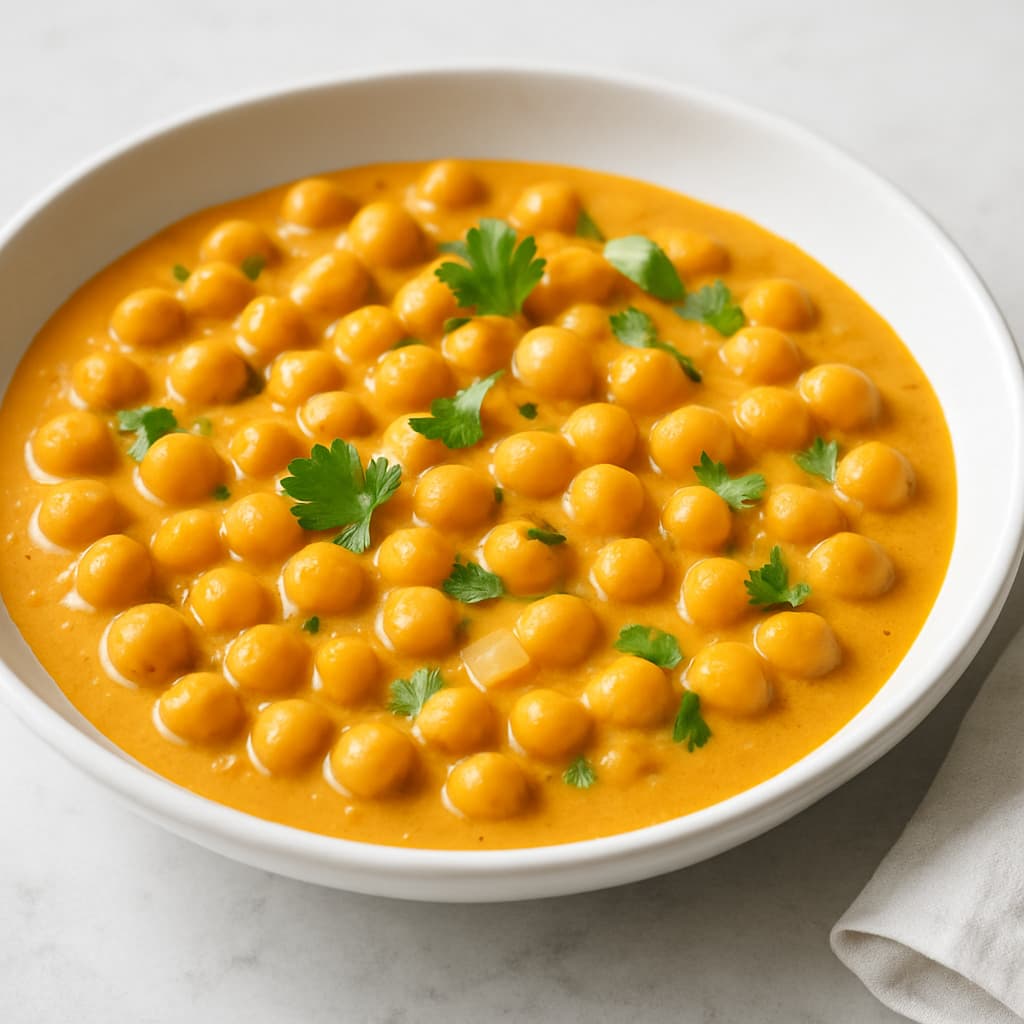
Real recipes from our database — click any meal to see the full recipe.

More Than Just Recipes
FamilyPlate uses your meal plan to power your entire family food system.
Family Voting
Stop guessing what they want. Let everyone vote on the weekly menu.
Smart Grocery List
Ingredients from your plan are automatically organised by aisle.
Recipe Database
Browse hundreds of family-friendly recipes filtered by cuisine, diet, and meal type.
Meal Planning with AI
Let AI build your weekly menu in seconds — personalised for your family's tastes.
Meal Swap
Don't like a meal? Swap it instantly for a better match — without breaking your weekly plan.
AI Taste Profiles
FamilyPlate learns what your family actually enjoys and turns it into smarter weekly meal plans.
Ready to Plan Your Indian Week?
Let FamilyPlate build you a full weekly plan your family will actually follow.
Start Planning for Free →Indian Meal Planning as a Family Activity
Indian meal planning is surprisingly family-friendly when approached with flexibility and simplicity. The key is starting with mild, approachable dishes and gradually introducing bolder flavors as your family's palate expands. Many Indian dishes—like butter chicken, dal, and biryani—have textures and flavors that kids naturally enjoy. The beauty of Indian cooking is its adaptability: you can make a curry mild for children and add extra chili to adult portions at the table. Indian meals are also highly customizable—picky eaters can stick to plain rice and naan while adventurous eaters try multiple curries. The communal, family-style serving format encourages kids to try new foods without pressure, making Indian meal planning a fun and interactive way to expand your family's culinary horizons.
Frequently Asked Questions
Everything you need to know before getting started.
Are these Indian recipes authentic?
Our AI is trained on thousands of authentic Indian recipes but adapts them for home cooking. You can adjust the complexity and spice levels to suit your family.
Can I mix Indian meals with other cuisines?
Absolutely! You can choose Indian as your main preference, but mix in other styles for variety throughout the week.
Is this suitable for picky eaters?
Yes! The Family Voting feature lets your kids vote on the Indian meals before they go on the plan. If they vote "No", we swap it out instantly.
Start Your Indian Meal Plan Today
Join thousands of families who eat better, waste less, and stress less — every single week.
Get Started Free →